The Ultimate Hamachi Crudo Recipe: A Restaurant-Quality Appetizer at Home

If you are looking for a show-stopping dish that looks like it came straight out of a Michelin-starred kitchen but takes less than 20 minutes to prepare, you have found it. This bright, vibrant, and incredibly fresh Hamachi Crudo is the ultimate appetizer. Before you assume that such an elegant seafood dish requires advanced culinary skills, let me assure you: if you can operate a handheld blender and slice a piece of fish, you can master this recipe.
This dish pairs the buttery, rich texture of premium raw yellowtail with a zesty citrus yuzu dressing and a herbaceous jalapeño-cilantro puree. It is the perfect composed dish for a sophisticated dinner party, a romantic date night, or simply when you want to treat yourself to elevated dining at home.
What is Hamachi Crudo?
To truly appreciate this dish, it helps to understand its culinary roots. Crudo is an Italian word that translates directly to “raw.” In the culinary world, it refers to a dish consisting of raw fish or seafood that is dressed with a bright, citrus-forward vinaigrette, high-quality oils, and delicate herbs. The acid in the dressing slightly “cooks” the exterior of the fish, while the oil carries the complex flavors across your palate.
Hamachi, on the other hand, is the Japanese word for yellowtail or Japanese amberjack. It is a highly prized fish in Japanese cuisine, renowned for its firm yet delicate texture, high fat content, and luxurious, buttery flavor.
What does hamachi crudo mean in a culinary sense? It is a beautiful fusion of Italian preparation methods and premium Japanese ingredients.
Note: While both feature raw fish, crudo is not sashimi. Sashimi is traditionally served plain with soy sauce and wasabi on the side to honor the pure flavor of the fish. Crudo is a composed, dressed dish where the sauces and garnishes are integral to the experience.
Sourcing the Best Fish: Safety and “Sushi-Grade”
When preparing any raw seafood dish, safety and quality are your top priorities. You must source fish that is safe for raw consumption. You will often see the term “sushi-grade” or “sashimi-grade” thrown around. While these are not legally regulated terms by the FDA, they are industry markers indicating that the fish has been caught, bled, and flash-frozen at extremely low temperatures to eliminate any potential parasites and preserve ultimate freshness.
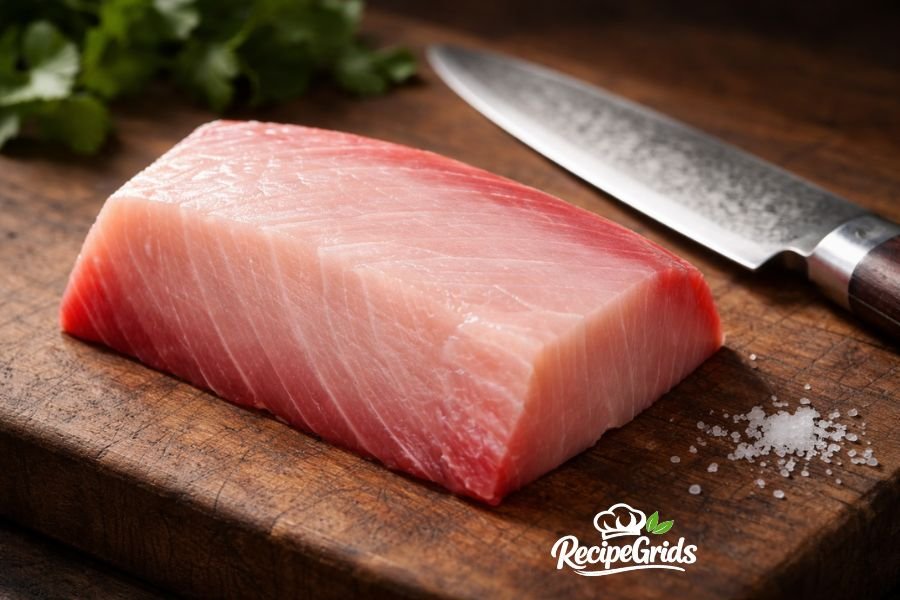
Always visit a trusted local fishmonger or a reputable Japanese market. Do not hesitate to ask the person behind the counter if the yellowtail they are selling is safe to be eaten raw.
Essential Ingredients for the Perfect Flavor Profile
Creating the perfect hamachi crudo recipe requires balancing richness, acidity, heat, and herbaceousness. Here is what you will need:
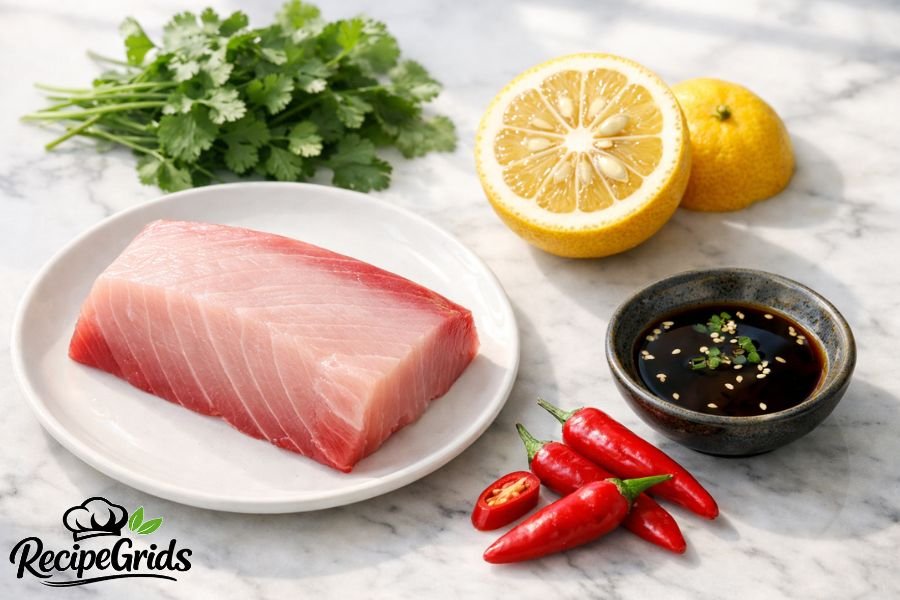
- Yellowtail Tuna (Hamachi): The star of the show. You need 8 oz of the highest quality fish you can find.
- Yuzu Juice: Yuzu is a highly aromatic Japanese citrus fruit that tastes like a blend of lemon, mandarin, and grapefruit. Finding fresh yuzu is incredibly rare, but bottled yuzu juice is available at Asian markets or online. It provides an unmatched floral acidity.
- Ponzu Sauce: Think of ponzu as soy sauce’s brighter, tangier cousin. It is a citrus-infused soy sauce that adds a necessary umami depth to the dressing without being overly heavy.
- Fresh Lemon Juice: For a sharp, familiar acidic bite to balance the yuzu.
- Fresh Cilantro & Jalapeño: These will form the base of your vibrant green herb oil.
- Fresno Chilies: Thinly sliced Fresno chilies add a mild to medium heat and a beautiful pop of red color. If you want more spice, a Serrano pepper works well.
- Neutral Oil: Use avocado oil, grapeseed oil, or a very light vegetable oil. Avoid extra-virgin olive oil, as its robust, peppery flavor will easily overpower the delicate fish and the yuzu.
- Microgreens: Micro arugula or mustard greens add a slight peppery crunch and professional visual appeal.
Best Hamachi Substitutions
I know that finding premium yellowtail can sometimes be the biggest hurdle in making this dish. If your local markets do not carry high-quality hamachi (fresh or frozen), do not abandon the recipe. Here are the best substitutes that possess a similar buttery texture and pair beautifully with the yuzu ponzu dressing:
| Original Fish | Best Alternative | Flavor Profile & Texture Notes |
| Hamachi (Yellowtail) | Ahi Tuna (Sushi-Grade) | Readily available in most premium supermarkets (often frozen). It has a slightly meatier texture but absorbs the citrus dressing perfectly. |
| Sea Scallops | Incredibly sweet and buttery. Always ask your fishmonger for “dry” or “day-caught” scallops to ensure they haven’t been treated with water-retaining chemicals. | |
| Yellowfin / Albacore | Both offer a light, delicate, and buttery flavor that allows the herbaceous jalapeño puree to shine. |
Step-by-Step Instructions: How to Make Hamachi Crudo
Preparation is key. Ensure your knives are razor-sharp and your ingredients are chilled.
Step 1: Blanch the Cilantro for the Puree
Bring a small pot of water to a rolling boil. Prepare a separate bowl filled with ice water (an ice bath). Submerge a bunch of cleaned cilantro (roots removed) into the boiling water for exactly 10 to 15 seconds. Immediately remove the cilantro and plunge it into the ice water.
Why do this? Blanching softens the fibrous stems and locks in a bright, vibrant, emerald-green color so your puree doesn’t turn brown. Once completely cooled, remove the cilantro and squeeze out as much water as physically possible using a paper towel.
Step 2: Blend the Herb Oil
Remove the stem, pith, and seeds from your jalapeño. In a tall container, add the blanched, squeezed cilantro, the jalapeño, a generous pinch of kosher salt, and 1/2 cup of neutral oil. Blend using a handheld immersion blender for 1 to 2 minutes until completely smooth.
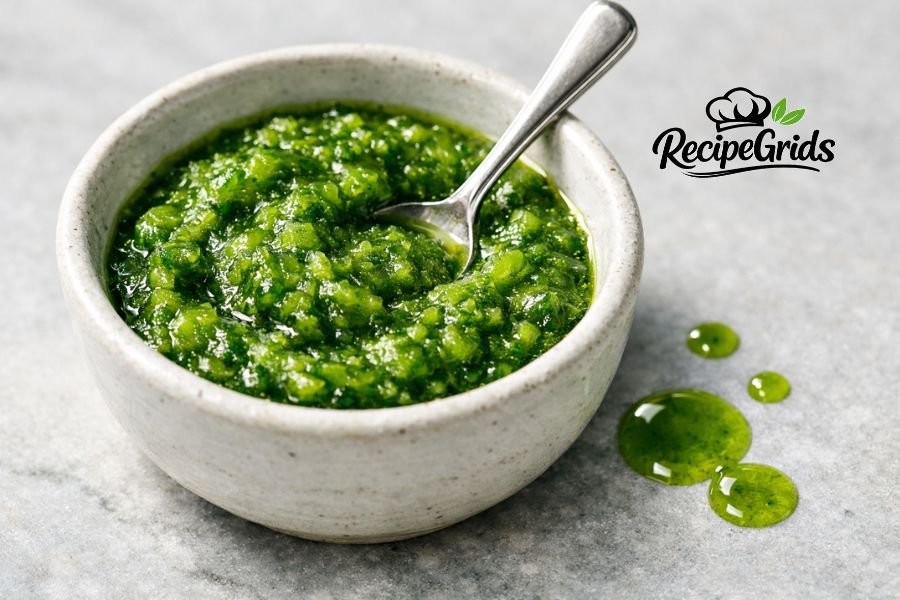
(Pro-Tip: A standard countertop blender or food processor will not work here because the volume of ingredients is too low. A stick blender is essential).
Step 3: Prep and Slice the Fish
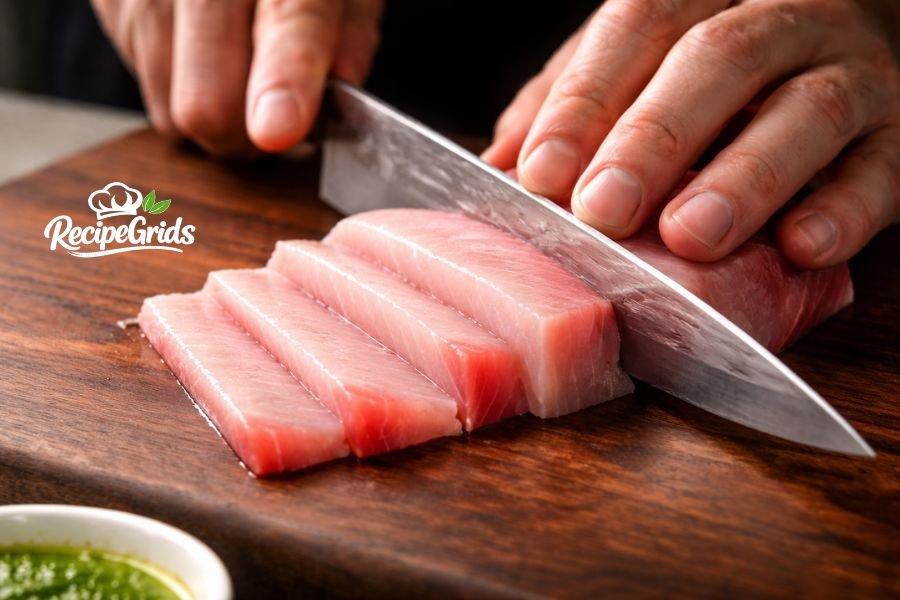
If you bought fresh yellowtail, place the fillet in the freezer for 15 to 20 minutes before cutting. This firms up the flesh, making it significantly easier to get clean, thin slices. If you are using frozen fish, let it thaw in the refrigerator until it is just pliable but still icy in the center.
Using your sharpest knife, slice the fish thinly against the grain. Slicing with the grain will result in chewy fish that falls apart on the plate.
Step 4: Mix the Citrus Dressing
In a small mixing bowl, whisk together 1/4 cup of yuzu juice, 4 teaspoons of ponzu, and a squeeze of fresh lemon juice.
Step 5: Plate and Serve
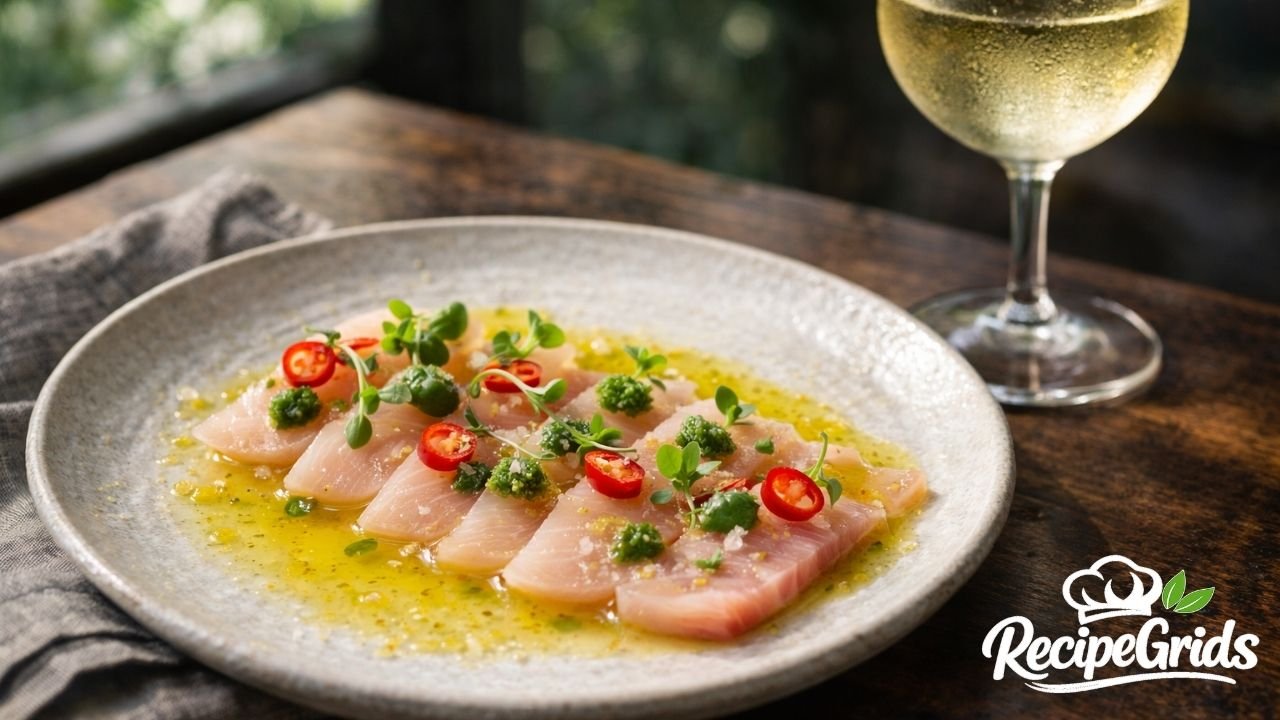
Arrange the thin slices of hamachi elegantly on a chilled serving plate. Top each slice with a thin round of Fresno chili. Using a spoon or a squeeze bottle, place small dollops of the bright green jalapeño-cilantro puree directly onto the fish.
Pour the yuzu-ponzu dressing over the fish, allowing it to pool slightly at the bottom of the plate. Garnish generously with microgreens, a few fresh cilantro leaves, and a sprinkle of flaky sea salt. Serve immediately.
What Goes Good With Hamachi Crudo Wine? Best Pairings
If you are wondering what goes good with hamachi crudo wine pairings, the rule of thumb is to look for high acidity and crisp, clean finishes. Because the dish features sharp citrus (yuzu) and mild heat (jalapeño), you want a wine that cleanses the palate without overwhelming the delicate fish.
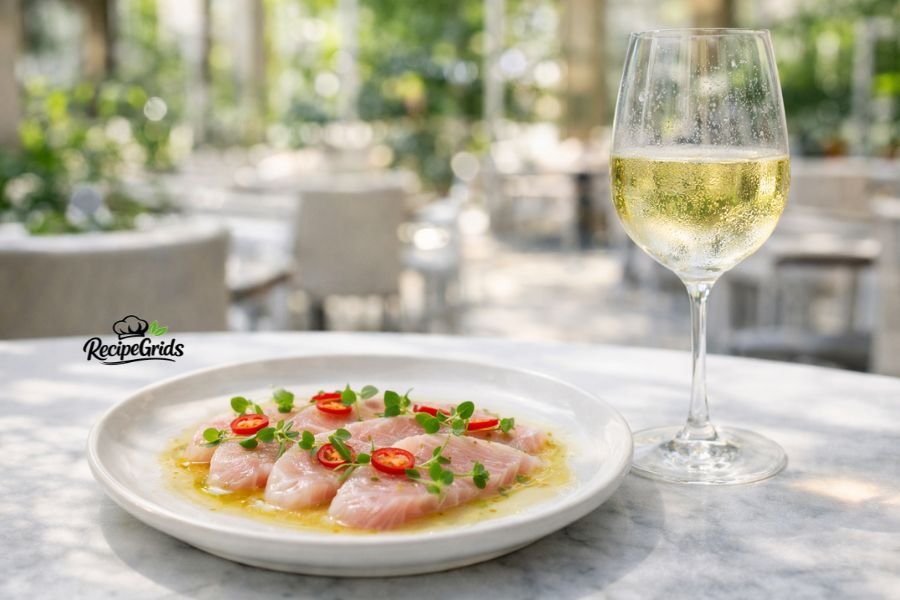
- Sauvignon Blanc: A crisp, unoaked Sauvignon Blanc from New Zealand or the Loire Valley provides bright herbaceous notes that complement the cilantro puree perfectly.
- Chablis (Unoaked Chardonnay): Its steely, mineral-driven acidity is a classic pairing for raw seafood.
- Dry Riesling: An excellent choice if you added a bit more chili heat to the dish, as the slight fruitiness balances the spice beautifully.
Frequently Asked Questions
Can I prep Hamachi Crudo in advance?
Yes and no. You can easily make the jalapeño-cilantro puree and mix the yuzu-ponzu dressing 1 to 2 days in advance, storing them in airtight containers in the fridge. However, you should never slice the fish or plate the dish ahead of time. The acid in the dressing will “cook” the raw fish (turning it into ceviche), ruining the buttery texture. Plate the dish right before you walk it to the table.
Where to buy hamachi crudo ingredients?
You can find sushi-grade fish at dedicated local fish markets, Japanese grocery stores (like Mitsuwa), or the seafood counter at premium grocers like Whole Foods. Bottled yuzu and ponzu are readily available in the international aisle of most large supermarkets or easily ordered online.
How do I store leftovers?
You don’t. For strict food safety reasons, raw seafood that has been dressed and left at room temperature during dinner should be consumed immediately. Discard any leftover plated fish.