Levapioli: The Timeless Stuffed Minced Meat Recipe That Will Redefine Comfort Food in Your Kitchen

There is a moment in every home cook’s journey — that exact second when something clicks. For me, that moment arrived on a cold Tuesday evening, three failed batches of dough deep into my obsession with Levapioli.
I still remember it vividly. The kitchen smelled like warm spices and browned onions. The fourth batch of dough — finally — stretched without tearing. I pressed a generous spoonful of the seasoned minced meat filling into the centre, folded the edges, and heard the faintest whisper of steam escape. That, right there, was the beginning of everything.
I’m AB Rehman, and I have spent the better part of two years obsessing over this dish. I’ve tested countless variations — from the ratio of fat in the filling to the precise resting time for the dough. Every failure taught me something. Every successful batch went straight to the table of family and friends who, I can confirm, scraped their plates clean.
This is not just a recipe. This is the complete culinary guide to Levapioli — covering its history, the science behind the perfect texture, a foolproof step-by-step method, and every troubleshooting tip you’ll ever need. Whether you’re a first-timer or you’ve tried and failed before, you are in the right place.
What Exactly Is Levapioli? A Dish With History in Every Fold
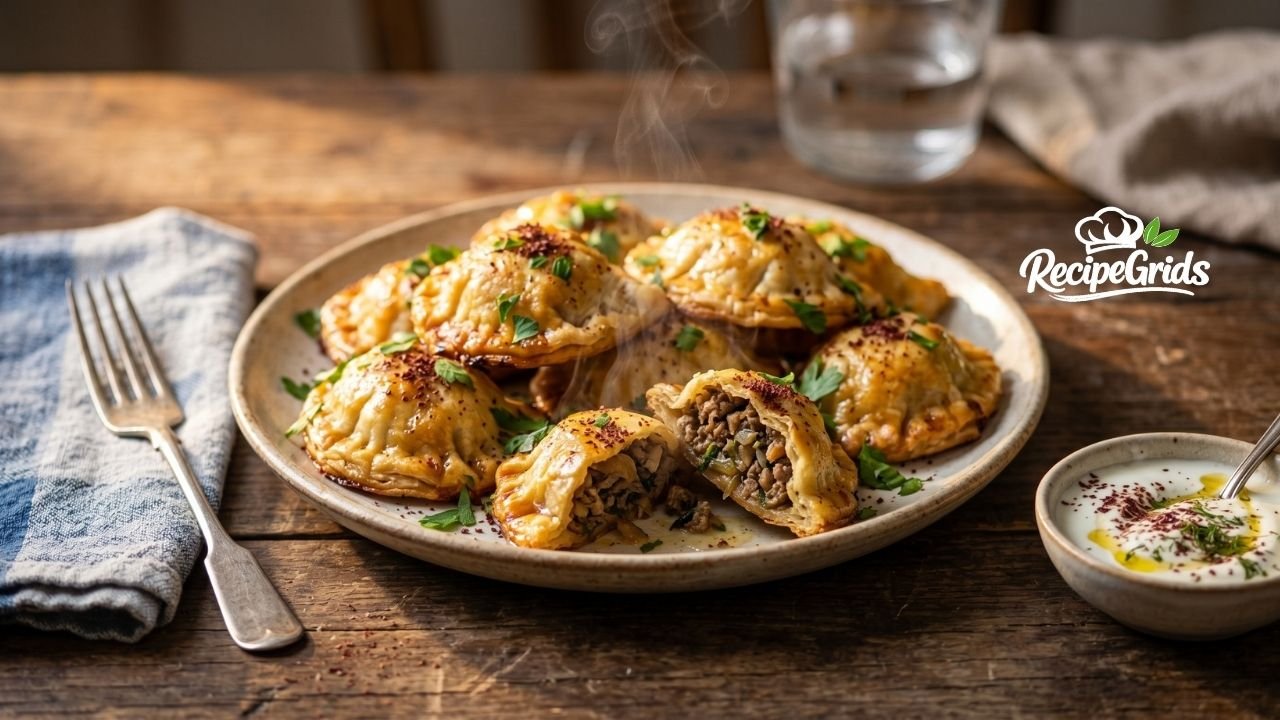
Levapioli is a traditional stuffed minced meat dish — a proud member of the global family of filled doughs that spans cultures and centuries. Think of it as the meeting point between a dumpling’s tenderness and a pastry’s satisfying chew, wrapped around a boldly seasoned meat filling that sings with warm spices.
The name itself carries the weight of culinary tradition. Historically associated with communities that valued hand-crafted, communal cooking, Levapioli was a dish made on special occasions — weddings, festivals, and family gatherings where the act of folding each piece was itself a ritual of togetherness.
The flavor profile is complex yet approachable: savory, herbaceous, with a gentle warmth from spices like cumin and coriander. The outer casing — whether leavened or unleavened — provides a soft, slightly chewy contrast to the juicy, fragrant filling inside. It is the definition of comfort food elevated.
📖 Author’s Note — AB RehmanWhat I love most about Levapioli is its democratic nature. It belongs to no single cuisine exclusively. Once you master the core technique, you can adapt the filling and dough to suit your own cultural pantry. That flexibility is what makes it genuinely timeless.
Regional Variations Worth Knowing
Across different culinary traditions, you’ll find this dish prepared with subtle — and sometimes dramatic — variations:
- Baked Levapioli: The dough achieves a golden, slightly crisp exterior while the filling stays moist and succulent inside.
- Pan-fried Levapioli: A burnished, crispy bottom gives way to a soft, pillowy top — similar in concept to a Japanese gyoza.
- Steamed Levapioli: The purest expression — delicate, soft, and intensely aromatic.
- Braised Levapioli in Sauce: Cooked directly in a rich tomato or bone broth for a deeply satisfying one-pot meal.
Why This Recipe Works: The Science Behind the Perfect Levapioli
A great Levapioli is not just about following steps — it’s about understanding why each step matters. This is where the home cook becomes a confident craftsperson.
The Dough Equation
The dough’s job is twofold: structure and tenderness. Too much flour and it becomes rigid and cracker-like. Too little, and it tears the moment you try to seal the filling. The secret is in the gluten development — we want enough to give the dough elasticity (so it stretches without tearing) but not so much that it becomes tough.
Using a small amount of oil in the dough coats the gluten strands, keeping them supple. The resting period allows the gluten to relax, making rolling effortlessly smooth.
The Filling’s Fat Content
Here’s a truth most recipes won’t tell you: lean mince makes dry Levapioli. You need a mince with at least 15-20% fat content. This fat renders during cooking, basting the filling from within, keeping every bite moist and rich. It also carries the fat-soluble flavour compounds of your spices, amplifying the aroma.
The Seal is Sacred
A leaking Levapioli is a flavour tragedy. The filling’s juices — which are the most intensely flavoured part — escape and burn. Always ensure your edges are dry before sealing (moisture prevents adhesion), and always press firmly along the seam with your fingertips, then crimp.
💡 Chef’s Secret TipFor an extra-secure seal on baked Levapioli, brush the dough edges with a light wash of egg white (not whole egg — the yolk adds colour you don’t want on the seam). The proteins in the egg white act as a natural adhesive that holds under the heat of the oven.
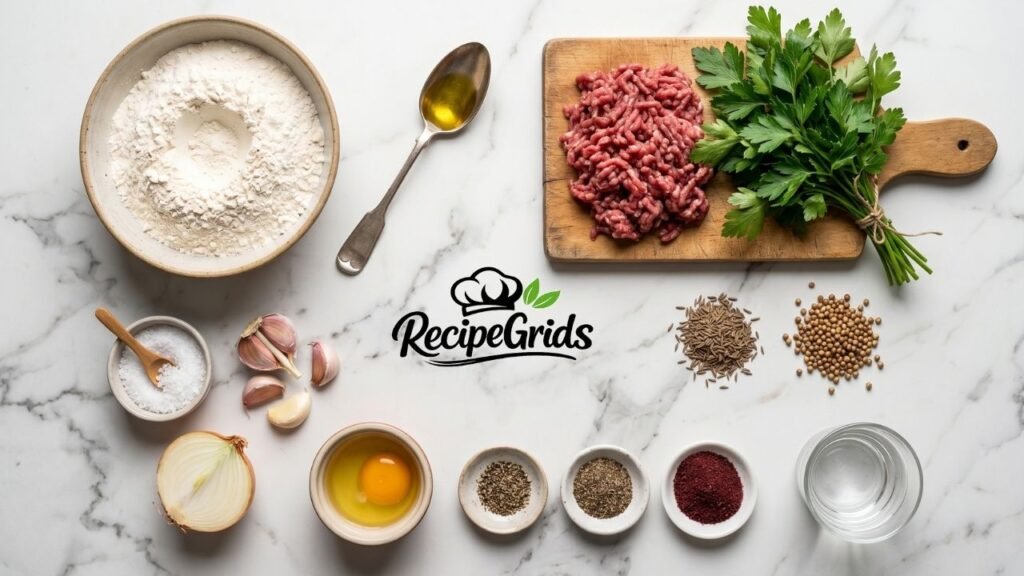
Ingredients: Everything You Need for Perfect Levapioli
Serves 4–6 people | Makes approximately 20–24 pieces
| Ingredient | Quantity | Notes |
|---|---|---|
| For the Dough | ||
| All-purpose flour | 2½ cups (300g) | Plus extra for dusting |
| Warm water | ¾ cup (180ml) | Around 40°C / 104°F |
| Olive oil | 2 tablespoons | Or neutral vegetable oil |
| Fine sea salt | 1 teaspoon | |
| Egg (optional) | 1 large | Adds richness; omit for vegan dough |
| For the Minced Meat Filling | ||
| Minced lamb or beef | 500g (1.1 lb) | 15–20% fat content recommended |
| Onion, finely grated | 1 large | Grated, not chopped, for moisture |
| Fresh parsley, chopped | ¼ cup | Flat-leaf preferred |
| Garlic, minced | 3 cloves | |
| Ground cumin | 1½ teaspoons | Freshly ground is best |
| Ground coriander | 1 teaspoon | |
| Sumac | 1 teaspoon | Adds a beautiful tartness |
| Paprika (sweet) | 1 teaspoon | |
| Black pepper | ½ teaspoon | Freshly cracked |
| Salt | 1¼ teaspoons | Adjust to taste |
| Olive oil | 2 tablespoons | For cooking the filling |
| For Finishing | ||
| Melted butter | 3 tablespoons | For brushing before/after baking |
| Egg yolk + 1 tbsp milk | 1 yolk | For egg wash (baked version) |
| Sesame seeds (optional) | 1 tablespoon | For topping |
Step-by-Step Instructions: How to Make Levapioli
Follow these steps carefully, and you’ll produce Levapioli that rivals anything you’d find at a professional table. I’ve included sensory cues at every stage — because cooking is as much about feeling as it is about following instructions.
Part One: Making the Dough
Combine and Shaggy Mix
In a large bowl, whisk together the flour and salt. Make a well in the centre. Pour in the warm water, olive oil, and (if using) the beaten egg. Use a fork to bring the mixture together into a rough, shaggy mass. It will look messy — that’s perfectly normal at this stage.
Knead to Smooth Silk
Turn the dough out onto a lightly floured surface. Knead firmly for 8–10 minutes by hand (or 5 minutes in a stand mixer with a dough hook). You are looking for a specific transformation: the dough will go from sticky and rough to smooth, supple, and just slightly tacky — like the inside of your wrist. When you press a finger in, it should spring back slowly.
Rest — This Step is Non-Negotiable
Shape the dough into a ball, rub the surface lightly with oil, and wrap tightly in plastic wrap. Let it rest at room temperature for at least 30 minutes (up to 1 hour is even better). During this time, the gluten relaxes, and the dough becomes dramatically easier to roll thin. Do not skip this.
💡 Chef’s Secret TipTest your dough’s readiness by tearing off a small piece and gently stretching it. If it stretches to near-translucency before tearing — what bakers call a “windowpane” — your gluten is perfectly developed and your dough is ready.
Part Two: The Minced Meat Filling
Sweat the Aromatics
Heat olive oil in a wide pan over medium heat. Add the grated onion and cook, stirring frequently, for 5–7 minutes until completely softened and beginning to turn golden. The kitchen should smell of sweet, caramelizing allium. Add the minced garlic and cook for another 60 seconds until fragrant. This step is non-negotiable — raw onion in the filling creates unwanted wateriness and a sharp, unpleasant bite.
Brown the Mince — Properly
Increase the heat to medium-high. Add the minced meat, breaking it up aggressively with a wooden spoon. The goal is browning, not steaming. Leave the mince undisturbed for 2–3 minutes at a time so it makes direct contact with the pan — that’s how you build the deep, caramelized flavour notes (the Maillard reaction at work). Cook for 10–12 minutes total until fully browned and any released liquid has evaporated.
Season and Cool
Remove the pan from heat. Add all the spices (cumin, coriander, sumac, paprika, black pepper, and salt) and the fresh chopped parsley. Stir vigorously to combine. Taste the filling — it should be boldly seasoned, slightly more than you think is right, as the dough will absorb and mellow the flavours. Spread on a plate and allow to cool completely before filling. Warm filling will partially cook the dough and compromise the seal.
Part Three: Assembling the Levapioli
Divide and Roll
Divide the rested dough into two equal pieces. On a lightly floured surface, roll one piece into a thin sheet — aim for about 2–3mm thickness (roughly the thickness of two stacked credit cards). Thinner means more delicate; thicker means more substantial chew. Both are valid — it’s a matter of preference.
Cut and Fill
Using a round cutter or glass (about 8–9cm / 3.5 inches), cut circles from the dough sheet. Place a generous teaspoon of cooled filling in the centre of each circle — err on the side of generous. Leave at least 1cm of bare dough around the edge for sealing.
Seal with Intention
Fold the dough circle over the filling to form a half-moon (or fold all edges up to the centre for a round parcel — both work). Press the edges firmly with your fingers, then crimp with the tines of a fork for a secure, decorative seal. Place completed pieces on a lightly floured tray and keep covered with a damp cloth while you work through the rest.
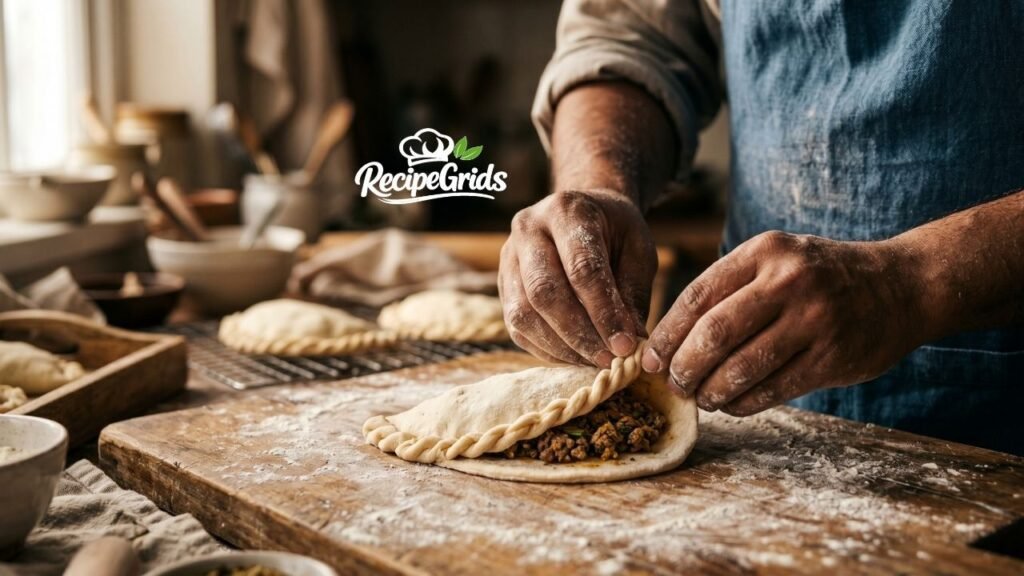
Bake to Golden Perfection
Preheat your oven to 200°C / 390°F. Line a baking tray with parchment paper. Arrange the Levapioli with 2cm spacing. Brush each one generously with the egg yolk + milk wash, then sprinkle with sesame seeds if using. Bake for 18–22 minutes until deeply golden brown and the kitchen fills with an aroma so intoxicating your family will appear from other rooms without being called. Rest for 5 minutes, then brush with melted butter for a glossy, luxurious finish.
Expert Troubleshooting: Fix Every Levapioli Problem
After dozens of test batches, I’ve encountered every problem imaginable. Here’s how to diagnose and fix the most common issues.
❌ Problem: My dough keeps tearing when I roll it.
Fix: The gluten hasn’t relaxed sufficiently. Wrap the dough back up and rest it for another 15–20 minutes. Also check you’re not using too much flour while rolling — excess flour creates dry spots that crack. Roll on a very lightly floured surface and use smooth, even pressure from the centre outward.
❌ Problem: The dough is too sticky to handle.
Fix: This usually means the flour absorbed less water than expected (humidity affects flour behaviour). Add flour one tablespoon at a time, kneading between additions. Resist the urge to add too much at once — over-floured dough becomes tough. Alternatively, lightly oil your hands instead of flouring the surface — this prevents sticking without drying the dough.
❌ Problem: The filling is too wet and leaks out during cooking.
Fix: The filling wasn’t reduced enough — there’s excess moisture from the onion and meat. Return the filling to the pan and cook over medium-high heat, stirring constantly, until all liquid has evaporated and the mixture looks almost dry. Also ensure the filling is completely cold before using — warm filling releases steam that weakens the seal.
❌ Problem: The Levapioli open up during baking.
Fix: The seal wasn’t strong enough, or there was moisture on the dough edges. Next time: press the edges completely dry with a paper towel before sealing, use egg white as an adhesive along the seam, and always press then crimp with a fork. Don’t overfill — leave at least 1cm of clean dough around the filling.
❌ Problem: The filling tastes bland inside the finished Levapioli.
Fix: Under-seasoning is the most common mistake. The dough acts as a seasoning sponge — it will slightly mute whatever’s inside. Always season the filling to taste it on its own and make it boldly flavoured, almost more than seems right. Add a squeeze of lemon juice to brighten the spices if they taste flat.
💡 Chef’s Secret TipThe ultimate test before baking a full batch: fry one Levapioli in a small pan with a drizzle of oil. This “quality check piece” lets you taste the seasoning and test the seal with no commitment. If it’s not right, you still have time to adjust the whole batch.
Serving & Pairing Suggestions
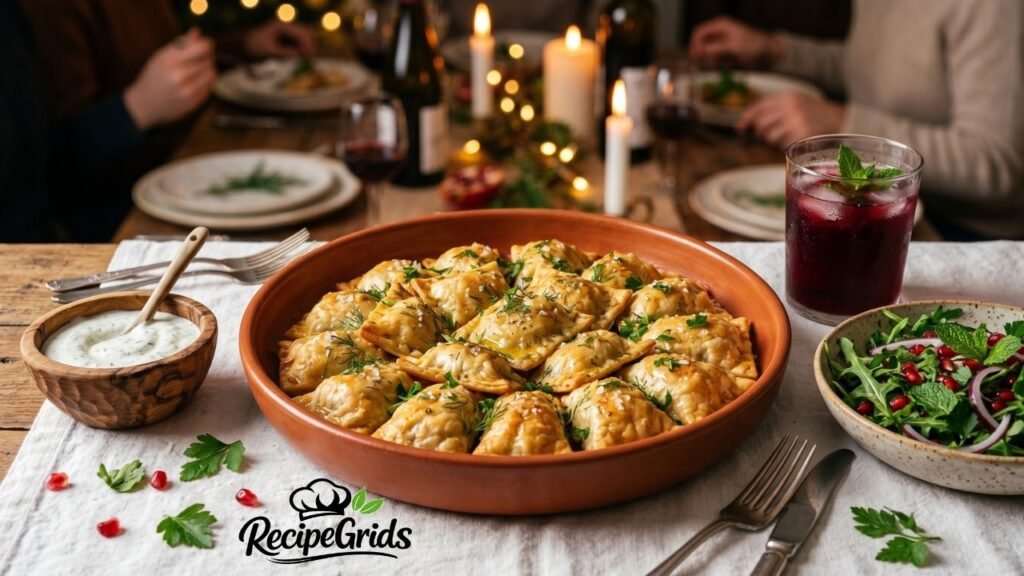
Levapioli is extraordinarily versatile. Here are my favourite ways to serve it — from a simple weeknight dinner to an impressive dinner party centrepiece.
Yogurt Dipping Sauce
Thick strained yogurt, minced garlic, dried mint, and a drizzle of olive oil. The cool creaminess is a perfect foil to the warm, spiced filling.
Herb Salad
A simple salad of parsley, mint, tomato, and cucumber dressed with lemon and olive oil cuts through the richness beautifully.
Tomato Braising Sauce
Place the sealed (uncooked) Levapioli directly into a simmering spiced tomato sauce. A hearty, restaurant-worthy one-pot meal.
Clear Bone Broth
Serve steamed Levapioli floating in a rich, golden bone broth with fresh chilli slices and coriander for an elegant, warming soup.
Spiced Chutney
A tangy tamarind or pomegranate molasses chutney adds a sweet-sour dimension that makes each bite an adventure.
Saffron Rice
For a full, satisfying meal — serve over fluffy saffron-scented basmati rice with a scattering of fried onions and almonds.
Nutritional Information
Per serving (approximately 4 pieces) — values are estimates and will vary based on specific ingredients and cooking method used.
| Nutrient | Per Serving (4 pcs) | % Daily Value* |
|---|---|---|
| Calories | 420 kcal | 21% |
| Total Fat | 18g | 23% |
| Saturated Fat | 6g | 30% |
| Unsaturated Fat | 11g | — |
| Cholesterol | 85mg | 28% |
| Sodium | 620mg | 27% |
| Total Carbohydrates | 42g | 15% |
| Dietary Fiber | 2g | 7% |
| Total Sugars | 2g | — |
| Protein | 24g | 48% |
| Iron | 3.8mg | 21% |
| Zinc | 4.2mg | 38% |
| Vitamin B12 | 1.8µg | 75% |
*Percent Daily Values are based on a 2,000-calorie diet. Baked version with lean lamb mince. Values do not include dipping sauces.
Final Thoughts: Your Levapioli Journey Starts Now
If there is one thing I want you to take from this guide, it is this: Levapioli rewards patience and attention. The resting dough, the properly browned filling, the carefully crimped seal — none of these steps are difficult. They simply ask for your presence and care.
The first time you pull a tray of golden, fragrant Levapioli from the oven — when the smell hits you and you hear that first satisfying crunch as someone bites in — you’ll understand why this dish has persisted through generations and across cultures. It is food that feels like something. That feeling is irreplaceable.
I made every mistake documented in this guide before I got it right. That’s not a warning — that’s an invitation. Every imperfect batch is one step closer to mastery. Keep going.
Made This Recipe? Share Your Levapioli!
I genuinely want to see your results — the golden ones, the experimental ones, the “it was delicious but it looked a bit rustic” ones. Share your Levapioli journey in the comments below, or tag me on social media with your photos!
⭐ Leave a Review & Share Your PhotosFrequently Asked Questions About Levapioli
What is Levapioli made of?
Levapioli is a traditional stuffed dish consisting of two main components: a hand-made dough (typically made from flour, water, oil, and salt) and a savoury minced meat filling seasoned with warm spices like cumin, coriander, and sumac. The filling usually includes aromatics like onion, garlic, and fresh herbs such as parsley. The assembled pieces are then baked, pan-fried, steamed, or braised depending on the variation.
Can I make Levapioli ahead of time?
Absolutely. Levapioli is an excellent make-ahead dish. You have two options: (1) Refrigerate assembled, uncooked Levapioli on a floured tray covered with plastic wrap for up to 24 hours. (2) Freeze them — place in a single layer on a baking sheet until solid (about 2 hours), then transfer to a freezer bag. They keep for up to 3 months and can be cooked straight from frozen (add 5–7 minutes to the baking time).
Can I use a different type of meat for the filling?
Yes — the recipe is wonderfully adaptable. Ground chicken or turkey work well but benefit from a higher proportion of aromatics and a tablespoon of olive oil added directly to the mince to compensate for their lower fat content. Ground pork produces an incredibly juicy filling. For a non-meat version, a filling of spiced lentils, crumbled halloumi and roasted vegetables, or a mushroom and walnut mixture all work beautifully.
Why does my Levapioli dough shrink back when I roll it?
This is a sign that your gluten is over-developed or insufficiently rested. The gluten strands are tense and elastic, literally pulling the dough back like a rubber band. The solution is simple: cover the dough and let it rest for 20–30 more minutes. Once the gluten relaxes, rolling becomes effortless. If the problem persists, you may have kneaded the dough too aggressively — next time, knead just until smooth and stop.
How do I store leftover cooked Levapioli?
Leftover baked or fried Levapioli store well in an airtight container in the refrigerator for up to 3 days. To reheat, place them in an oven at 180°C / 350°F for 8–10 minutes — this restores their crispness far better than a microwave. A quick pan-warm in a covered skillet with a splash of water works well for steamed versions.
Is Levapioli similar to dumplings, ravioli, or börek?
Levapioli shares DNA with all three — and that’s part of what makes it so fascinating. Like ravioli, it features a filling enclosed in thin dough. Like dumplings (jiaozi, manti, pierogi), it can be cooked multiple ways. Like börek, it uses a meat filling with aromatic spicing and can be baked to a golden crust. It occupies a distinctive place in the continuum of global stuffed-dough traditions — similar enough to be immediately familiar, yet distinct in its specific spice profile and technique.
What is the best flour to use for Levapioli dough?
All-purpose flour (plain flour) produces the best results for most home cooks — it has a moderate protein content (around 10–12%) that gives the dough good structure without becoming too tough. For a more delicate, tender dough (ideal for steamed Levapioli), you can substitute up to half the all-purpose flour with cake flour or 00 pasta flour. Avoid bread flour — its high protein content makes the dough too elastic and chewy.
Can Levapioli be made gluten-free?
Yes, with some adjustments. Use a high-quality 1:1 gluten-free flour blend (those that include xanthan gum work best). Expect the dough to be slightly stickier and less elastic — chilling it for 30 minutes before rolling helps significantly. Gluten-free Levapioli are best suited to baking rather than steaming, as the dough holds its shape better under dry heat. The taste will be very similar; the texture will be slightly more crumbly.