
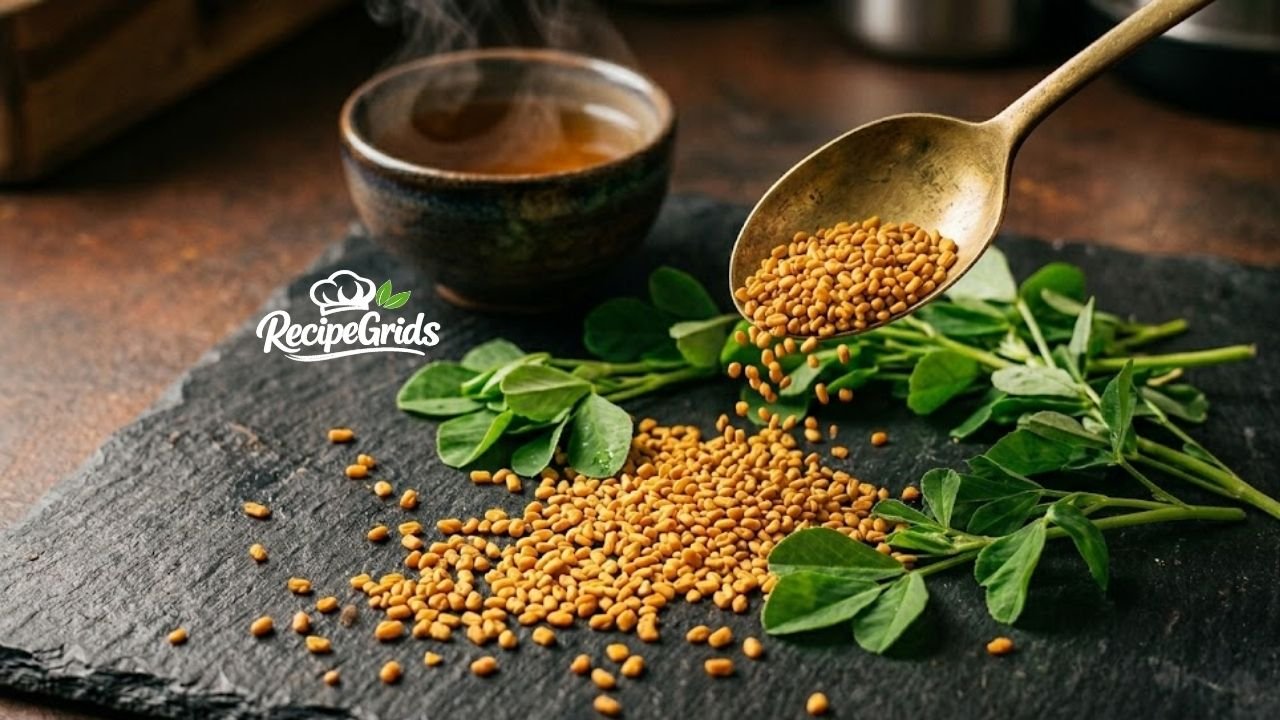
Foenegriek: The Ancient Spice That Smells Like Maple Syrup — And Changes Everything in the Kitchen
A chef's complete guide to buying, cooking, and getting the most out of fenugreek — seeds, leaves, and all.

The first time I cracked open a jar of foenegriek seeds in my kitchen, I stood there genuinely confused. Why does this smell like pancake syrup? I was prepping a lamb curry, not brunch. But that’s the thing about foenegriek — it lures you in with sweetness and then surprises you with a deep, slightly bitter complexity that transforms an ordinary dish into something you can’t stop eating.
I’ve been cooking professionally for over fifteen years, and foenegriek (the Dutch and German name for fenugreek) is still the spice I reach for when I want to add that ineffable something that guests can never quite identify. It shows up in my spice blends, my bone broths, my teas — even a dry rub for salmon that makes people ask for the recipe every single time.
In this guide, I’m going to walk you through everything I know about foenegriek: what it is, how it tastes, how to cook with it without ruining your dish (yes, there are mistakes beginners always make), the best substitutes, and the science-backed health benefits. Let’s get into it.
What Exactly Is Foenegriek?
Foenegriek is the Dutch/German name for Trigonella foenum-graecum, a leguminous plant native to the Mediterranean and South Asia. The name literally translates to “Greek hay” — a nod to its ancient use as livestock feed. Every part of the plant is edible and useful.
Foenegriek Seeds vs. Foenegriek Leaves (Kasuri Methi)
This distinction matters enormously in the kitchen, and it’s where a lot of home cooks trip up. Seeds and leaves behave completely differently.
- Foenegriek Seeds: Small, hard, yellowish-tan seeds. Used whole or ground. They need heat to bloom and release their flavor. Raw, they’re intensely bitter. Toasted properly, they become nutty, slightly sweet, and complex.
- Fresh Foenegriek Leaves (Methi): Used in Indian cooking like a leafy green — sautéed, stuffed into breads (methi paratha), or added to dals. Slightly bitter, very aromatic.
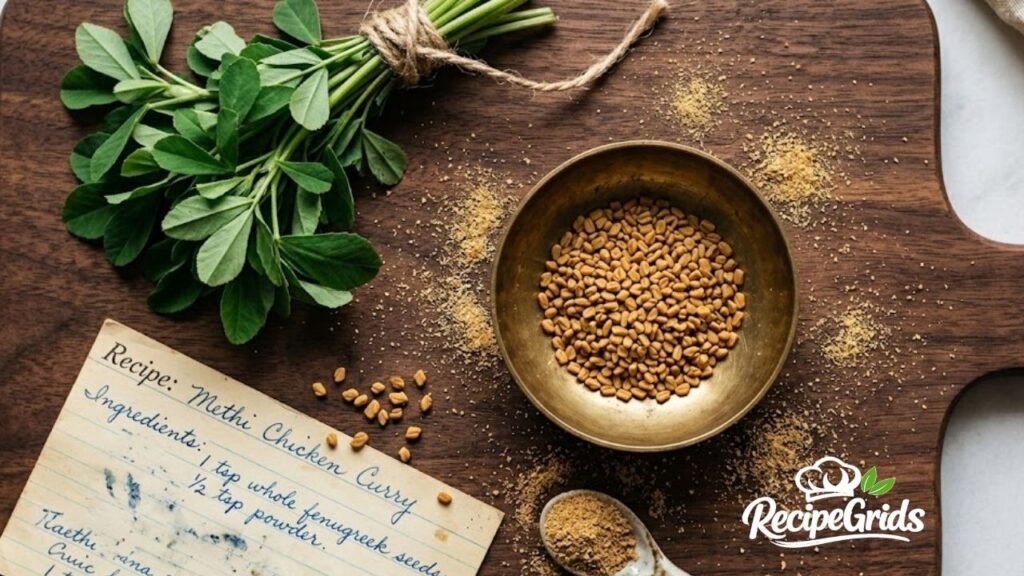
- Dried Foenegriek Leaves (Kasuri Methi): This is the game-changer. Dried, crumbled leaves with a more concentrated, sweeter, almost smoky flavor. My secret weapon in butter chicken, daal makhani, and even scrambled eggs.
When I use Kasuri Methi, I always crush the dried leaves between my palms right before adding them to the dish. This releases the essential oils and amplifies the flavor by 30–40%. It takes two seconds and makes a real difference.
The Flavor Profile of Foenegriek
Understanding why foenegriek smells like maple syrup is actually pretty fascinating. The compound responsible is sotolone, a lactone also found in burnt sugar, maple syrup, and lovage. When foenegriek seeds are heated, sotolone volatilizes and that familiar sweet, caramel-like aroma fills the room.
But taste and smell are different. On the palate, foenegriek delivers:
“Foenegriek is one of the few spices that genuinely walks the line between savory and sweet. That tension is what makes it so useful — and so easy to over-do.”
The bitterness comes from alkaloids like trigonelline and diosgenin. Too much foenegriek in a dish — especially if the seeds aren’t properly toasted — and that bitterness takes over. I’ve ruined a batch of spice blend before by being heavy-handed. Now I measure meticulously.
Culinary Uses: How to Cook With Foenegriek Without Ruining Your Dish
Here’s where experience matters. Foenegriek is not a “dump and go” spice. It rewards technique.
Toasting the Seeds: The Critical Step
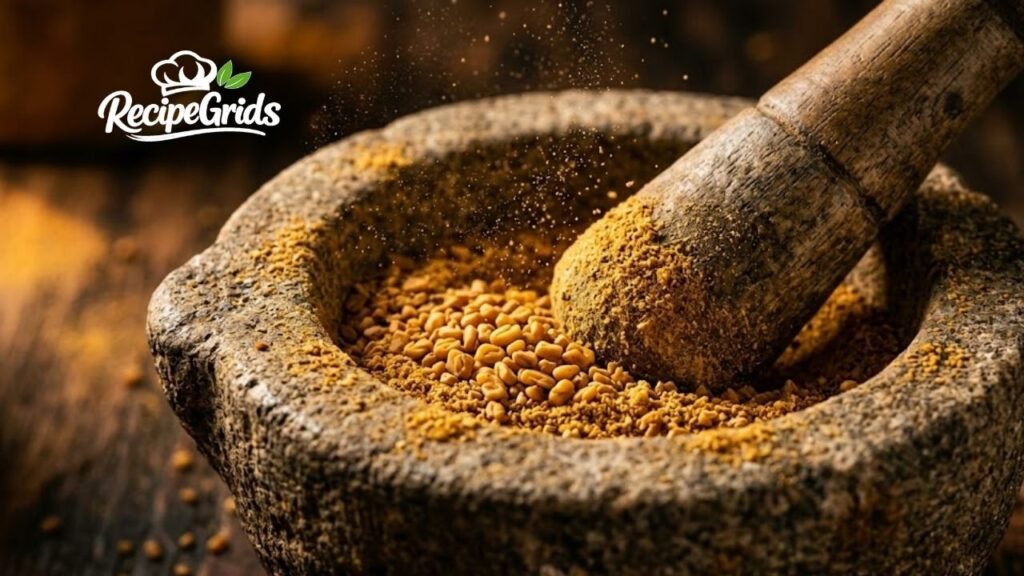
Always dry-toast whole foenegriek seeds before using them. Put them in a cold, dry skillet over medium heat and stir constantly. You’re looking for a color change to a slightly deeper tan and a shift in aroma from raw/bitter to nutty and sweet. This takes about 60–90 seconds. The moment you smell that rich, mapley fragrance, take them off the heat.
The biggest mistake beginners make: going past that window. Over-toasted foenegriek becomes intensely bitter and acrid — it will ruin your dish. I made that error on a big catering job in 2014 and had to start a 2-quart spice blend completely from scratch.
Where Foenegriek Belongs in the Kitchen
- Indian & South Asian Curries: An essential component of panch phoron (Bengali five-spice) and many curry powders.
- Ethiopian Cuisine: Ground foenegriek is a key ingredient in berbere and mitmita spice blends.
- Middle Eastern Cooking: Used in hilbeh (fenugreek paste) and as part of yemenite spice mixes like hawaij.
- Mediterranean: Historically used in Greek and Egyptian bread-making and cheese flavoring.
- Modern American Kitchens: I add a pinch to BBQ dry rubs, maple-glazed proteins, and roasted root vegetables — it amplifies that caramelized quality beautifully.
- Herbal Teas & Beverages: The seeds make a soothing, slightly bitter tea with a surprising maple note. More on that in my recipe below.
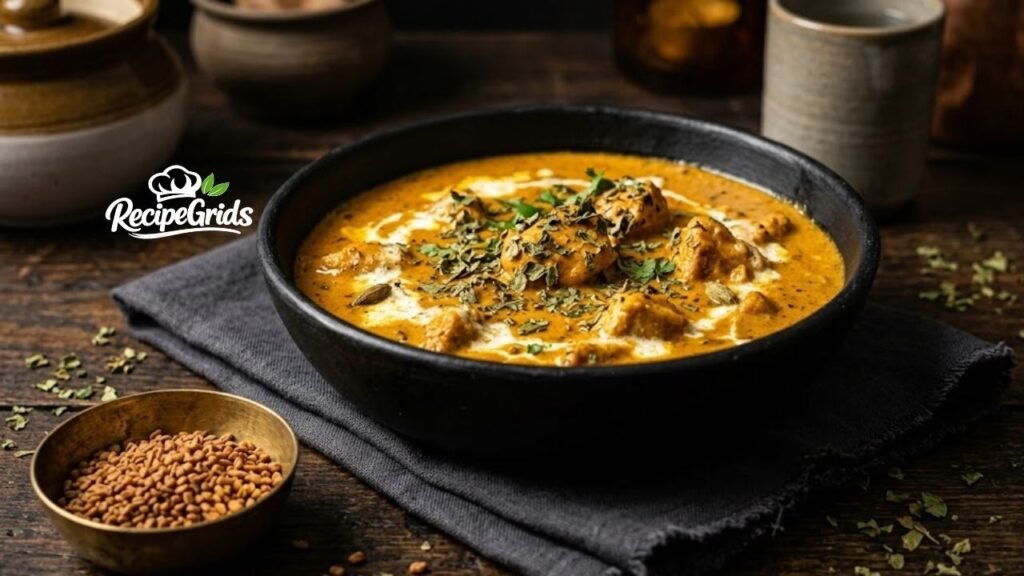
If you’re making a tikka masala, butter chicken, or any rich cream-based curry, add dried foenegriek leaves (kasuri methi) in the last 2 minutes of cooking. The residual heat is enough to bloom the flavor without cooking off the delicate aromatics. This is the real reason restaurant butter chicken tastes different from yours — that finishing pinch of kasuri methi.
Top 5 Substitutes for Foenegriek
If you’re mid-recipe and out of foenegriek, don’t panic. These substitutes can work — with some important caveats about ratios and flavor differences.
Maple Syrup (For Aroma)
For the characteristic maple-like aroma in sauces and marinades, a tiny drizzle of pure maple syrup can replicate the sotolone note. Use sparingly — ¼ tsp syrup per 1 tsp ground foenegriek. Not ideal for dry applications.
Celery Seeds
These share foenegriek’s slightly bitter, aromatic character and work well in spice rubs and pickling brines. Swap 1:1. You’ll lose the sweetness but keep the savory bitterness and depth.
Yellow Mustard Seeds
In Indian cooking, yellow mustard seeds can substitute in tempering (tadka). They bloom in hot oil similarly to foenegriek seeds. Use slightly less — about ¾ tsp per 1 tsp of foenegriek seeds.
Curry Powder (As a Blend)
Since foenegriek is already an ingredient in most curry powders, a good-quality curry powder can fill the gap when a recipe calls for ground foenegriek. Use about 1.5x the amount called for to compensate for dilution.
Dried Spinach or Collard Greens (For Kasuri Methi)
As a substitute for dried fenugreek leaves specifically, dried spinach flakes or collard greens can approximate the texture and some of the bitter leafy character. The flavor profile is simpler, but it works in a pinch for curries and dals.
Health & Nutritional Benefits of Foenegriek
Foenegriek has been used medicinally for over 6,000 years — and modern nutritional science is increasingly validating what traditional healers knew. Here’s what the research actually shows (no hype, just evidence).
| Nutrient / Compound | Amount per 1 tbsp (11g) Seeds | Key Benefit | Evidence Level |
|---|---|---|---|
| Dietary Fiber | 2.7g (10% DV) | Digestive health, blood sugar regulation | ✅ Strong |
| Protein | 3g | Muscle support; complete amino acid profile | ✅ Strong |
| Iron | 3.7mg (20% DV) | Hemoglobin production, energy levels | ✅ Strong |
| Manganese | 0.2mg | Bone health, enzyme function | ✅ Strong |
| Magnesium | 21mg | Muscle function, sleep quality | ✅ Strong |
| 4-Hydroxyisoleucine | Trace (bioactive) | May improve insulin sensitivity | ⚠️ Promising (more human trials needed) |
| Diosgenin (Saponin) | Trace (bioactive) | Anti-inflammatory properties | ⚠️ Moderate (mostly animal studies) |
| Galactomannan (Soluble Fiber) | Significant | Slows glucose absorption; cholesterol support | ✅ Multiple human trials |
The Blood Sugar Connection — What the Research Actually Says
The most compelling body of research on foenegriek centers on blood glucose management. A 2009 study in the International Journal for Vitamin and Nutrition Research found that type 2 diabetics who took fenugreek seed powder daily showed meaningful improvements in fasting blood glucose and insulin sensitivity.
The mechanism? Galactomannan — a soluble fiber in foenegriek — forms a gel-like substance in the gut that slows carbohydrate absorption and moderates the glycemic response. This is real, measurable, and reproducible in multiple trials.
Important caveat: I’m a chef and nutritionist, not your doctor. If you’re on blood sugar medication, talk to your physician before adding therapeutic doses of foenegriek to your diet. Culinary amounts (a teaspoon in a curry) are safe and beneficial. High-dose supplementation needs medical supervision.
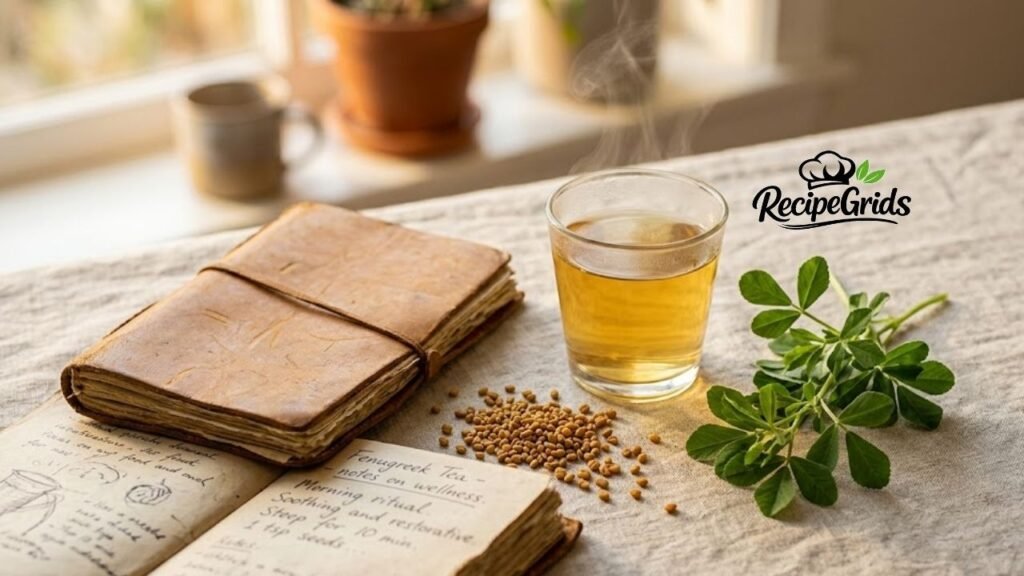
Quick Recipe: My Soothing Foenegriek Tea
This is the recipe I come back to every winter, every time my digestion feels sluggish or my blood sugar is acting up after a heavy testing day in the kitchen. It takes five minutes and tastes surprisingly pleasant — woody, slightly sweet, with that signature maple warmth.
🌿 Signature Recipe
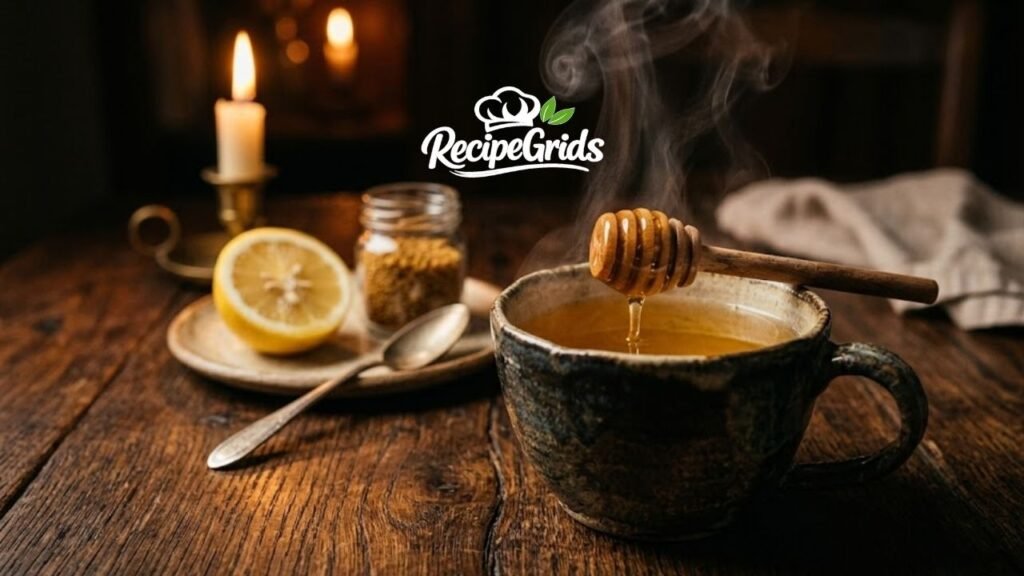
Soothing Foenegriek (Fenugreek) Tea
A simple, science-backed herbal tea with a warm maple-like aroma. Calming, digestive-friendly, and deeply satisfying on cold mornings.
Ingredients
- 1 tsp whole foenegriek seeds
- 1½ cups filtered water
- ½ tsp fresh ginger, grated
- 1 tsp raw honey (to taste)
- ½ tsp fresh lemon juice
- Optional: 1 cinnamon stick
Instructions
- Toast the seeds: Add foenegriek seeds to a dry saucepan over medium heat. Stir for 60 seconds until fragrant and lightly golden. Don’t walk away.
- Simmer: Add water, grated ginger, and cinnamon stick (if using). Bring to a gentle boil, then reduce to a simmer for 8–10 minutes.
- Strain: Pour through a fine mesh strainer into your mug. Discard seeds.
- Finish: Let cool slightly (honey loses enzymes above 104°F), then stir in honey and a squeeze of lemon. Sip slowly.
For a deeper, more medicinal brew, soak the seeds overnight in cold water first. This pre-soaking softens the seeds, draws out more of the soluble galactomannan fiber, and produces a slightly thicker, more golden tea with enhanced gut-health benefits. I use this version when I’ve had a heavy week of recipe testing.
Frequently Asked Questions About Foenegriek
What is foenegriek in English?
Foenegriek is the Dutch and German word for fenugreek (Trigonella foenum-graecum). In the US, you’ll find it labeled as “fenugreek” in grocery stores, Indian markets, and health food shops. In Hindi it’s known as “methi,” and the dried leaves are called “Kasuri Methi.”
Does foenegriek actually smell like maple syrup?
Yes — and there’s a real scientific reason for it. Both foenegriek and maple syrup contain a compound called sotolone, a naturally occurring lactone that produces that sweet, caramel-like aroma. This is why people who consume large amounts of foengreiek seeds sometimes notice their sweat or urine takes on a maple-syrup scent — it’s completely harmless and actually provides a useful way to track the spice’s metabolic activity in the body.
Is it safe to eat foenegriek every day?
In culinary amounts — a teaspoon or two in food — foenegriek is safe and beneficial for most adults. In higher supplemental doses (5–10g+), it may lower blood sugar meaningfully, which is important to monitor if you’re on diabetes medication. Pregnant women should consult a doctor, as high doses have historically been used to stimulate uterine contractions. For the average healthy adult cooking with it daily, there is no concern.
Where can I buy foenegriek in the US?
You can find foenegriek seeds easily at Indian grocery stores (the most affordable option, often sold in bulk), Whole Foods, Sprouts, and the spice aisle of most large supermarkets. Online, Amazon and Penzeys Spices carry high-quality whole seeds and ground foenegriek. For Kasuri Methi (dried leaves), Indian grocery stores are your best bet — it’s harder to find in mainstream grocery chains.
Can foenegriek help with weight loss?
The honest answer: it can help as part of a balanced diet, but it’s not a magic solution. Foenegriek’s high soluble fiber content (particularly galactomannan) promotes satiety and moderates blood sugar spikes, which can reduce cravings and prevent overeating. Several small studies show modest appetite-suppressing effects. What it won’t do is compensate for a poor diet — no spice can do that.
Final Thoughts: Give Foenegriek a Real Chance
Foenegriek isn’t a trendy superfood or a passing fad — it’s one of the oldest culinary and medicinal plants on earth, and it’s earned that longevity. Whether you’re adding Kasuri Methi to your next curry, brewing a cup of warming foenegriek tea, or quietly working toasted seeds into your BBQ rub, this spice rewards curiosity and patience.
Start with a small amount, learn how heat affects it, and pay attention to the moment when bitter transforms into nutty and complex. That’s when you’ll know foenegriek — and it’ll be worth it.