The “Swangy” Flavor Trend: Mastering the Art of Sweet, Tangy, and Savory Dynamics

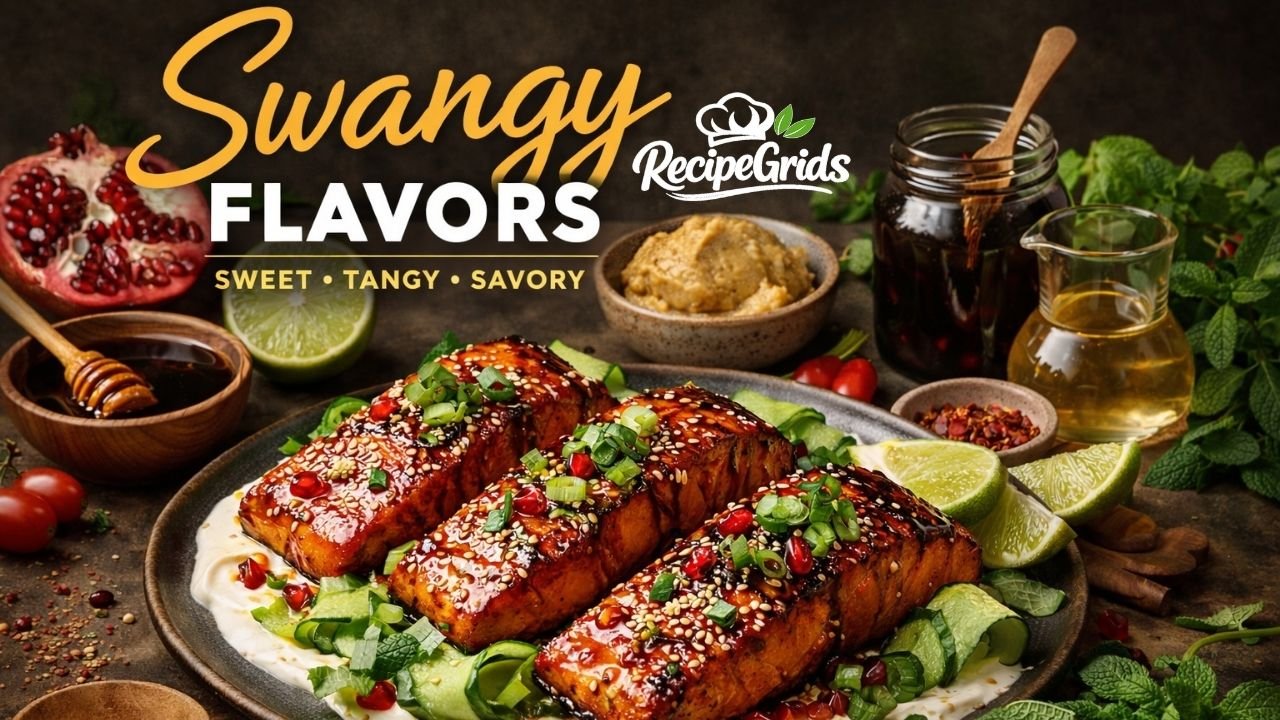
“Swangy” is the flavor mood of 2026: a layered interplay of sweetness, tang, and savory depth that feels brighter, smarter, and more chef-driven than old-school “sweet and sour.” Trend coverage from Food Dive, IFT, and Nestlé all point to more nuanced flavor stacking in 2026, with sweet, tart, spicy, and savory elements working together rather than competing. That shift matters for home cooks because it turns one-note sauces and glazes into dishes with real flavor complexity.
For RecipeGrids readers, this is exactly the sweet spot: modern food that feels restaurant-worthy, but still healthy-minded and practical. Swangy Flavors succeed because they are dynamic. Sweetness softens sharp edges. Tang wakes up the palate. Savory notes add grounding and satisfaction. The result is bold food with balance, not sugar overload.
Understanding the Science Behind the Balance (Why It Works)
The Sweet and Tangy Contrast
Acid is what gives food lift. When you add lemon, rice vinegar, tamarind, or pomegranate molasses to a sweet base, the dish tastes fresher and more precise. Tangy ingredients cut through sugar and fat, so a glaze or dressing feels cleaner on the palate instead of sticky or heavy.
This is why a drizzle of hot honey works better with sharp pickles, yogurt, citrus, or vinegar in the mix. The sweet note is still there, but the acid keeps it from feeling flat. In practical cooking terms, tang creates definition. It sharpens fruit, brightens roasted vegetables, and gives proteins a polished finish.
The Power of Umami (Savory)
Savory depth is the piece that makes swangy food feel complete. Umami-rich ingredients such as miso, soy sauce, fish sauce, Parmesan, tomatoes, mushrooms, and roasted alliums add body and length. Instead of tasting like sugar plus acid, the dish gains structure.
That is the key to Umami balance. Sweetness attracts. Tang refreshes. Umami anchors. Together, they create a fuller mouthfeel and a longer finish. This is also why the best Swangy Flavors feel sophisticated: they do not sit in one register. They move across the palate in stages.
Essential Pantry Staples for Mastering Swangy Cuisine
A well-built swangy pantry is less about novelty and more about strategic layering. These are the ingredients worth keeping on hand:
- White or yellow miso paste
For deep savory notes, fermented richness, and instant umami balance. - Pomegranate molasses
A concentrated sweet-tart syrup that delivers acidity, fruit depth, and glossy finish. IFT specifically highlighted pomegranate molasses, date syrup, fruits, citrus, and honey as sweet elements that add depth and complexity in 2026 flavor development. - Rice vinegar
Clean, mild acidity that brightens sauces without overpowering delicate ingredients. - Hot honey
Sweet heat in one bottle. Hot honey already showed up in the National Restaurant Association’s 2025 trend forecast, and brands like Mike’s Hot Honey have helped make it mainstream. - Date syrup
One of the best natural sweeteners for swangy cooking: caramel-like, mineral-rich in flavor, and less blunt than white sugar. A recent review in Foods discusses dates as a nutritious alternative in sugar reduction conversations. - Tamarind paste
For a more assertive tang with savory, fruity depth. - Soy sauce or tamari
Essential for saline depth and flavor linkage. - Greek yogurt
Adds creaminess, lactic tang, and contrast to sticky glazes. - Citrus zest and juice
Especially lime and orange, which bring aroma as well as acidity. - Aleppo pepper or chili flakes
Gentle, fruity heat that supports rather than overwhelms. - Roasted sesame oil
A finishing note that amplifies savory richness.
This pantry reflects the biggest culinary trends 2026: layered seasoning, globally informed condiments, fermentation, and ingredients that work across savory cooking, sauces, dressings, and even desserts.
Our Premier Recipe: Sticky Pomegranate, Hot Honey & Lime Glazed Steelhead Trout
Introduction
This recipe is swangy in its most elegant form. Steelhead trout brings richness without heaviness. Miso provides the savory backbone. Pomegranate molasses and lime deliver the tang. Hot honey rounds everything out with a glossy, modern sweetness. It is weeknight-feasible, but plated correctly, it reads like a dinner-party main.
Ingredients List
Serves 4
For the trout:
- 4 steelhead trout fillets, about 5 to 6 oz / 140 to 170 g each
- 1 tbsp olive oil
- 1/2 tsp fine sea salt
- 1/4 tsp black pepper
For the glaze:
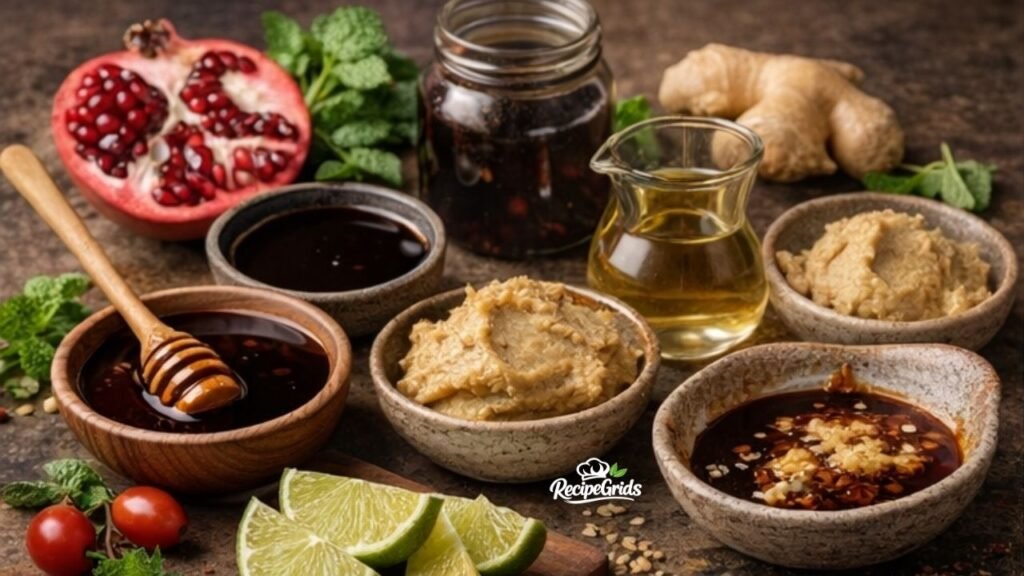
- 2 tbsp white miso paste
- 1 1/2 tbsp Pomegranate molasses
- 1 tbsp hot honey
- 1 tbsp fresh lime juice
- 2 tsp low-sodium soy sauce or tamari
- 1 tsp date syrup
- 1 tsp grated fresh ginger
- 1 small garlic clove, finely grated
- 1/2 tsp lime zest
- 1 tbsp water
To serve:
- 1 cup / 240 g Greek yogurt
- 1 tsp olive oil
- Pinch of sea salt
- 1 small cucumber, shaved into ribbons
- 2 spring onions, thinly sliced
- 1 tbsp toasted sesame seeds
- Fresh mint or cilantro leaves
- Lime wedges
Step-by-Step Instructions
- Heat the oven and prep the fish.
Preheat the oven to 425°F / 220°C. Pat the trout dry, then rub with olive oil, salt, and pepper. Arrange on a parchment-lined tray. - Make the swangy glaze.
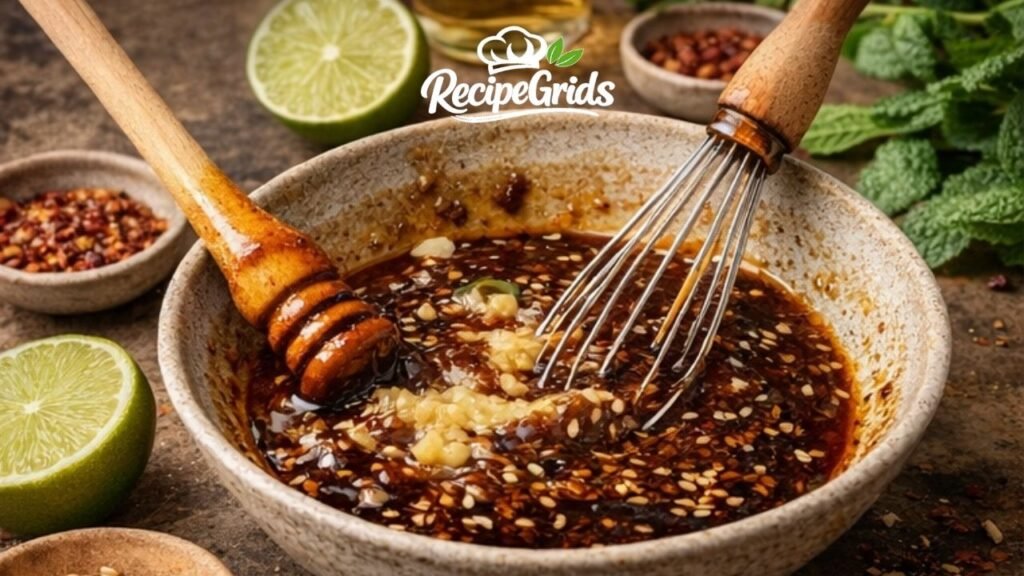
In a small bowl, whisk together miso, pomegranate molasses, hot honey, lime juice, soy sauce, date syrup, ginger, garlic, zest, and water until smooth. The glaze should be spoonable, not thick like paste. - Glaze and roast.
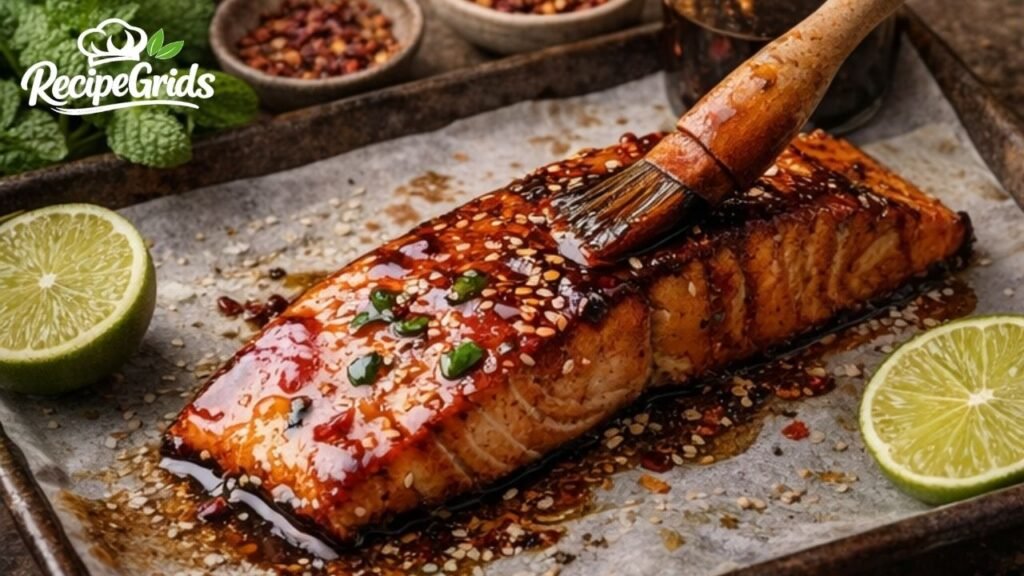
Spoon about two-thirds of the glaze over the trout. Roast for 8 to 10 minutes, depending on thickness, until the fish is nearly cooked through. - Finish under high heat.
Brush with the remaining glaze and return to the oven for 2 to 3 minutes, or broil briefly, until the surface turns lacquered and lightly caramelized. - Prepare the cool contrast.
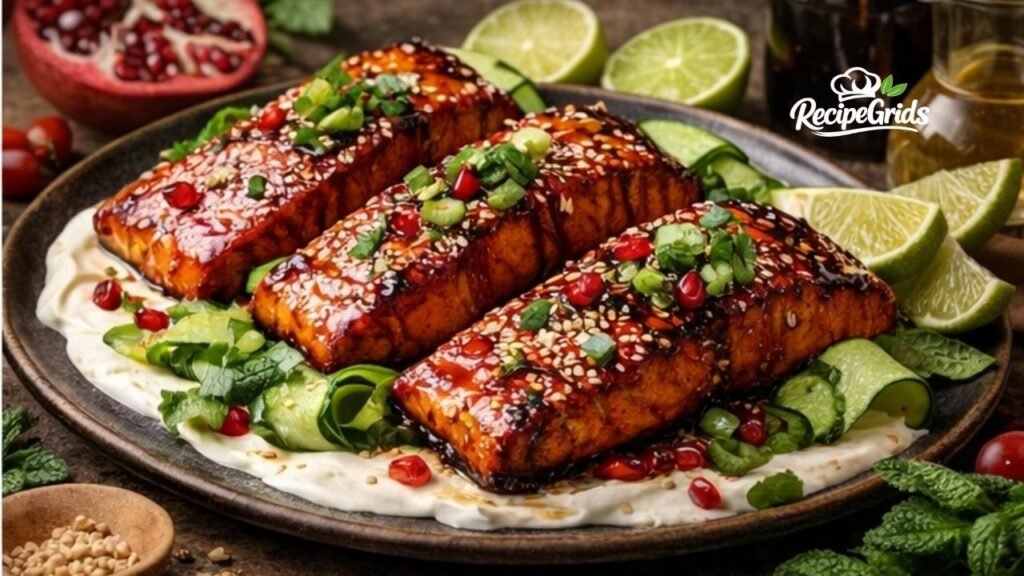
Stir the Greek yogurt with olive oil and a pinch of salt. Spread onto a serving platter. Add cucumber ribbons on top for freshness and crunch. - Plate with balance in mind.
Set the trout over the yogurt, then scatter with spring onions, sesame seeds, and herbs. Serve with lime wedges. The final dish hits every note: sweet, tangy, savory, creamy, and fresh.
Why This Recipe Works
This is not just a trendy glaze. It is a composition. The trout supplies richness, the miso delivers umami balance, lime sharpens the finish, and the yogurt cools the palate so the sweetness never dominates. It showcases Swangy Flavors in a way that feels current, clean, and premium.
Semantic Considerations: The Health and Wellness Angle
The health story behind swangy cooking is part of its appeal. Consumers are moving away from blunt sweetness and toward better-built flavor using fruit concentrates, honey, dates, cultured dairy, citrus, and fermented pantry items. Whole Foods Market’s 2026 trend coverage also points to rising demand for functional ingredients and more conscious product choices.
That does not mean honey or date syrup are “free” foods. They still contribute sugar. But from a culinary perspective, they offer more than sweetness alone. Honey adds floral notes. Date syrup adds molasses-like depth. Fruit-based sweeteners can help cooks use less total sweetener because they bring character as well as sugar. Harvard’s commentary on the 2025–2030 Dietary Guidelines also reflects the broader push to reduce highly processed refined carbohydrates and added sugars.
Tangy fermented foods strengthen the wellness connection. Yogurt, miso, kefir, kimchi, and other cultured ingredients align with the modern interest in gut-friendly eating. Stanford Medicine notes that clinical studies show fermented foods can support digestion, nutrient value, and reduced inflammation markers, while Cedars-Sinai also highlights their links to digestive and immune support.
That is why Swangy Flavors resonate so strongly with USA and UK audiences right now. They feel indulgent, but they are often built with smarter tools: functional ingredients, fermented depth, and natural sweeteners instead of just more white sugar.
FAQs about “Swangy” Flavors
How do I fix it if a dish is too tangy?
Use one of three levers:
- Add sweetness: a little honey, date syrup, maple, or fruit puree.
- Add fat: yogurt, tahini, butter, olive oil, or avocado can soften acidity fast.
- Add savory depth: miso, soy, Parmesan, or a pinch more salt can rebalance the whole dish.
Do not just dilute with water. That weakens the flavor without solving the imbalance.
Can I apply this trend to dessert?
Absolutely. Swangy desserts are one of the most exciting directions in modern pastry. Think:
- Strawberries with balsamic and black pepper
- Salted caramel with crème fraîche
- Citrus curd with olive oil and flaky salt
- Roasted stone fruit with yogurt and hot honey
- Dark chocolate with miso caramel
The rule is the same: sweetness needs contrast. Tang and savory notes create flavor complexity and stop dessert from feeling cloying.
What are some famous commercial examples of this?
A few easy references:
- Mike’s Hot Honey, which popularized the sweet-heat pantry drizzle for pizza, chicken, cheese, and more.
- Sweet Baby Ray’s Honey Chipotle Barbecue Sauce, a mainstream example of sweet, smoky, and tangy layering in a single bottle.
- French’s Hot Honey Mustard, a newer retail expression of sweet heat anchored by mustard tang.
These products matter because they show how the swangy profile is moving from chef menus into everyday cooking.
Conclusion: Start Your Swangy Journey
The most exciting food of 2026 is not louder. It is better balanced. Swangy cooking proves that a dish can be sweet, tangy, and savory at once without becoming chaotic. With the right pantry staples, a grasp of umami balance, and a willingness to use acid and sweetness with more precision, you can build food that tastes modern, polished, and deeply satisfying.
Start with the trout. Then take the formula further: roast carrots with date syrup and lime, glaze aubergines with miso and pomegranate molasses, or finish grilled peaches with yogurt and hot honey. That is the beauty of Swangy Flavors: once you understand the structure, the possibilities open up fast.
Share your own swangy creations on RecipeGrids.com and show how you balance sweet, tangy, and savory in your kitchen.