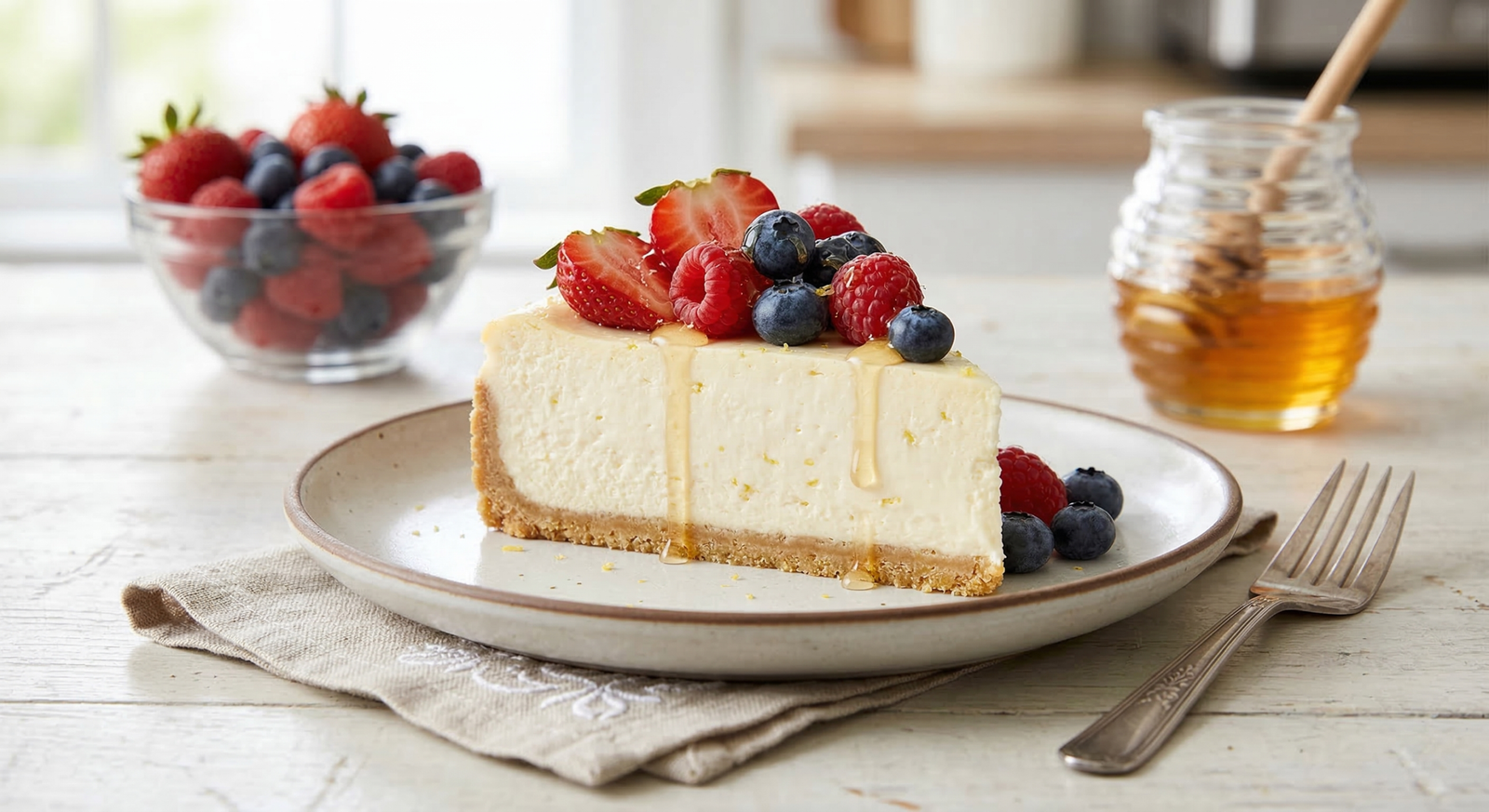

There is something special about pulling a cheesecake from the fridge after it has chilled overnight. It feels a little fancy, a little comforting, and always worth the wait. I usually make this greek yogurt cheesecake recipe when I want a dessert that feels rich and creamy without being too heavy. It is perfect for spring brunches, summer gatherings, birthdays, or those weekends when you want to bake something beautiful but not overly complicated.
The first time I tested this version, I was trying to use up a big tub of Greek yogurt in my fridge. I wanted the classic smooth texture of cheesecake, but with a lighter, tangy finish. One bite in, I knew it was a keeper. The filling was silky, the flavor was bright and balanced, and it had that homemade charm that makes people ask for a second slice before they finish the first.
Quick Answer Section
A greek yogurt cheesecake recipe is a creamy baked cheesecake made with cream cheese and Greek yogurt for a fresh, slightly tangy flavor. It is popular because it feels lighter than traditional cheesecake while still delivering a rich, smooth texture and classic dessert appeal.
What Is Greek Yogurt Cheesecake?
Greek yogurt cheesecake is a baked cheesecake that combines cream cheese with thick Greek yogurt. The yogurt adds a gentle tang, a softer finish, and a little extra protein compared with a classic cheesecake.
It still tastes indulgent, but the flavor is often brighter and less heavy. The result is a dessert with a creamy center, buttery crust, and a clean, fresh taste that works well with fruit toppings, lemon zest, honey, or berry sauce.
Why You’ll Love This Recipe
- It is creamy and rich, but not overly dense.
- Greek yogurt adds a fresh tangy flavor that balances the sweetness.
- The ingredient list is simple and easy to find.
- It is beginner-friendly with clear steps.
- It works for holidays, dinner parties, and casual family desserts.
- It pairs beautifully with berries, lemon, honey, or jam.
Ingredients
For the crust
- 1 3/4 cups graham cracker crumbs
- 5 tablespoons unsalted butter, melted
- 2 tablespoons granulated sugar
- 1/4 teaspoon cinnamon, optional
For the filling
- 24 ounces cream cheese, softened
- 1 cup plain full-fat Greek yogurt
- 3/4 cup granulated sugar
- 3 large eggs, room temperature
- 1 teaspoon vanilla extract
- 1 tablespoon fresh lemon juice
- 1 teaspoon lemon zest, optional but recommended
- 2 tablespoons all-purpose flour
- 1/4 teaspoon salt
Optional toppings
- Fresh strawberries, blueberries, or raspberries
- Berry compote
- Honey drizzle
- Lemon curd
- Whipped cream
- Crushed pistachios or toasted almonds
Easy substitutions
- Use digestive biscuits or vanilla wafers instead of graham crackers.
- Sour cream can replace part of the Greek yogurt, though the flavor will be slightly richer and less fresh.
- Gluten-free cookie crumbs work well for a gluten-free crust.
- Vanilla bean paste can replace vanilla extract for deeper flavor.
Step-by-Step Instructions
1. Prepare the pan and oven
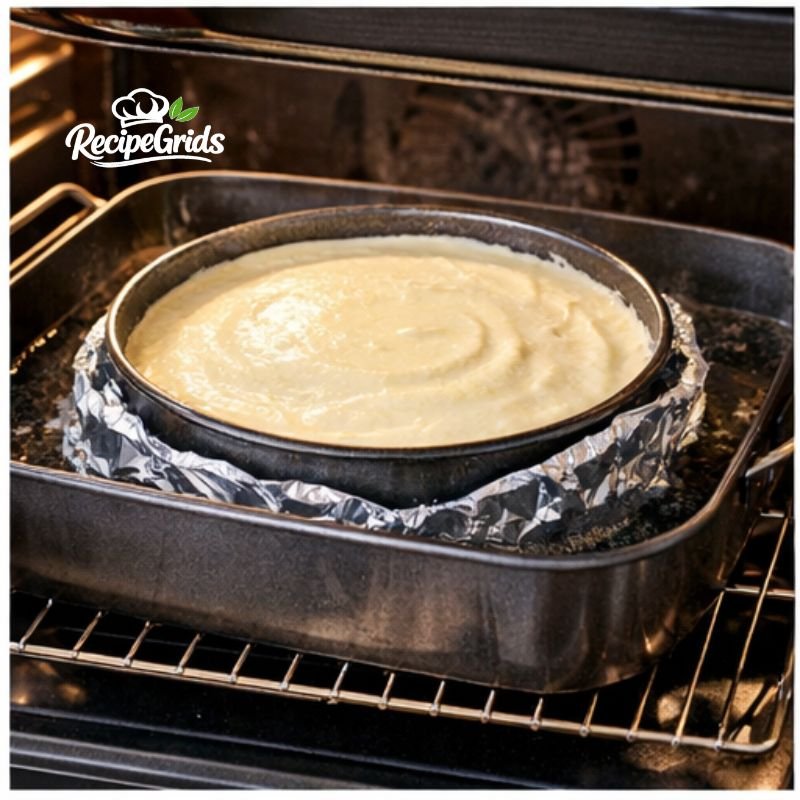
Preheat your oven to 325°F (163°C). Lightly grease a 9-inch springform pan. Wrap the outside of the pan tightly with two layers of foil if you plan to use a water bath.
2. Make the crust
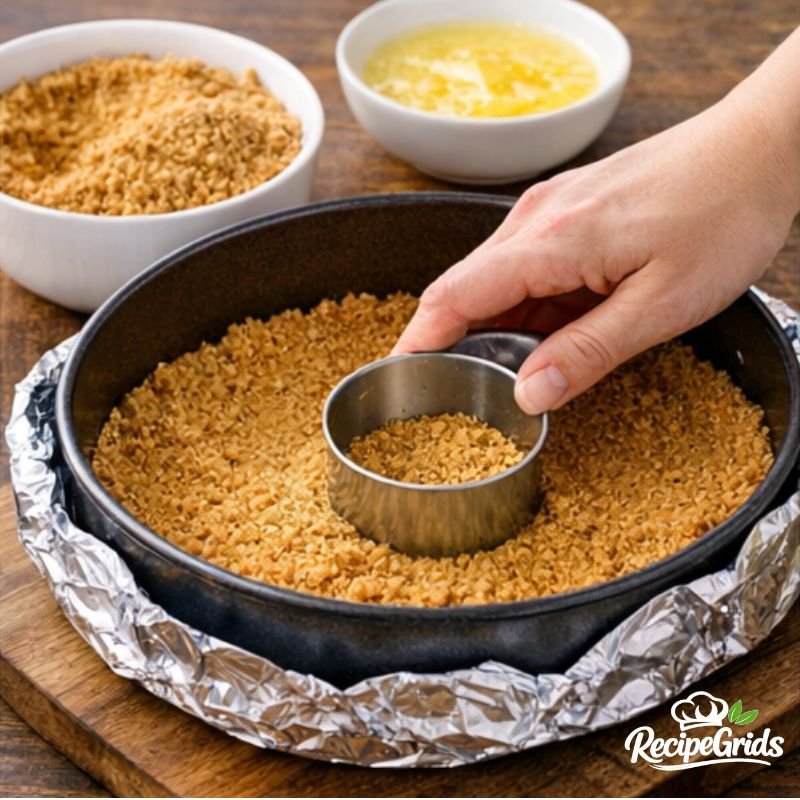
In a medium bowl, mix the graham cracker crumbs, melted butter, sugar, and cinnamon until the texture looks like wet sand. Press the mixture firmly into the bottom of the springform pan.
Bake the crust for 8 to 10 minutes, then let it cool while you make the filling. This quick bake helps the crust stay crisp and hold together better when sliced.
3. Mix the cheesecake filling
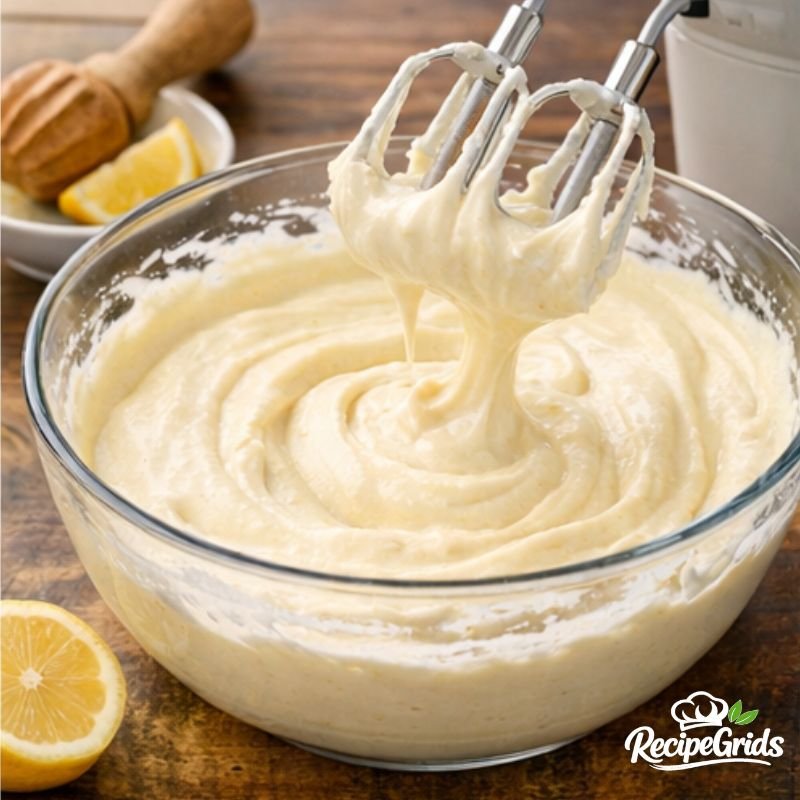
In a large bowl, beat the softened cream cheese until smooth and creamy. This is important. If the cream cheese is still cold, you will fight lumps the whole way through.
Add the Greek yogurt, sugar, flour, salt, vanilla, lemon juice, and lemon zest. Mix on low speed until smooth. Scrape down the sides of the bowl.
Add the eggs one at a time, mixing gently after each one just until combined. Do not overmix. Too much air in the batter can lead to cracks and a puffed cheesecake that sinks later.
4. Fill the pan
Pour the filling over the cooled crust and smooth the top with a spatula. Tap the pan lightly on the counter a couple of times to release any large air bubbles.
5. Bake
Place the springform pan in a larger roasting pan. Pour hot water into the roasting pan until it reaches about halfway up the sides of the cheesecake pan. Bake for 55 to 70 minutes.
The edges should look set, but the center should still have a slight wobble when gently shaken. That little jiggle is exactly what you want.
If you prefer not to use a water bath, place a pan of hot water on the lower oven rack instead. It is not quite the same, but it still adds moisture to the oven and helps reduce cracking.
6. Cool slowly
Turn off the oven, crack the oven door, and let the cheesecake sit inside for 1 hour. This slow cooling step helps prevent sudden temperature changes, which are one of the biggest reasons cheesecakes crack.
7. Chill
Remove the cheesecake from the oven and let it cool fully at room temperature. Then refrigerate for at least 6 hours, but overnight is even better. Cheesecake always slices more cleanly and tastes better once fully chilled.
8. Serve
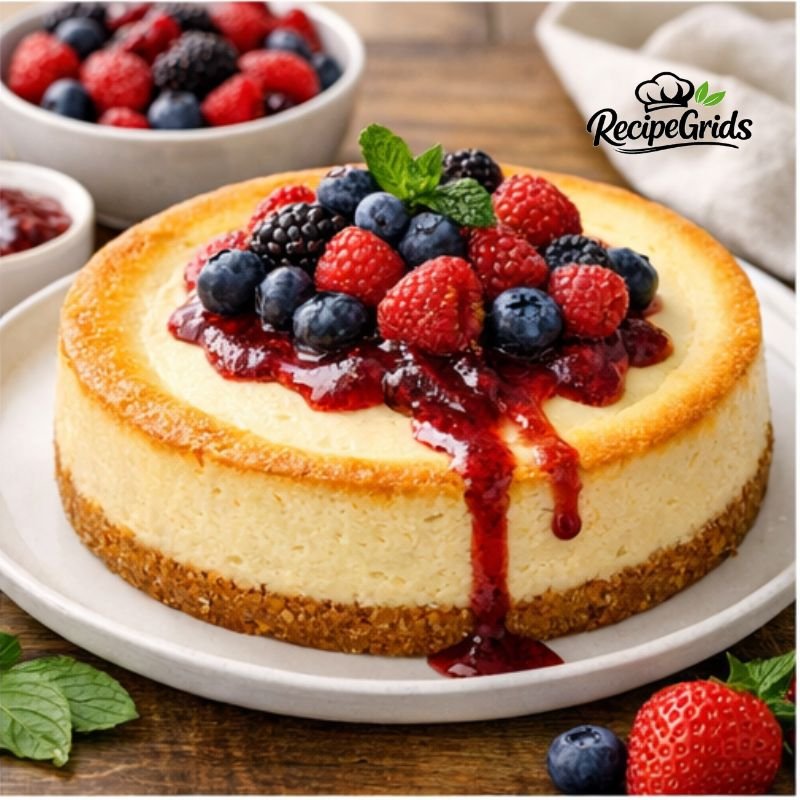
Run a thin knife around the edge of the pan before releasing the springform ring. Slice with a sharp knife, wiping the blade clean between cuts. Top as desired and serve cold.
Pro Cooking Tips
- Use room temperature ingredients. This is one of the biggest secrets to a silky cheesecake. Cold cream cheese creates lumps that are hard to smooth out later.
- Mix on low speed. I learned this after a few cheesecakes cracked in the center. Gentle mixing keeps too much air out of the batter.
- Do not rush the chill time. A cheesecake that seems set after two hours in the fridge is usually not fully ready. Overnight chilling gives the best texture and flavor.
- Bake until just set. Overbaking dries the filling and makes it lose that creamy bite. Look for set edges and a slightly wobbly middle.
- Line the bottom area well if using a water bath. Even one tiny gap in the foil can let water sneak in and soften your crust.
- Taste your Greek yogurt first. Some brands are more tangy than others. If yours is extra tart, you can add an extra tablespoon or two of sugar.
Common Mistakes to Avoid
Overmixing the batter
Too much mixing adds air, which makes the cheesecake rise too much in the oven and collapse as it cools. Mix just until each ingredient is blended.
Using cold cream cheese
Cold cream cheese does not blend smoothly. Let it sit out until soft for a creamy, lump-free filling.
Opening the oven too often
Every time the oven door opens, the temperature changes. That can cause uneven baking and cracking. Check near the end, not every 10 minutes.
Skipping the cooling steps
Moving a hot cheesecake straight to the fridge is a shock to the structure. Let it cool gradually first.
Overbaking
A dry cheesecake will lose that soft, velvety texture. Pull it when the center still jiggles a little.
Recipe Variations
Lemon Greek yogurt cheesecake
Add an extra teaspoon of lemon zest for a brighter citrus flavor. This version tastes especially good in spring and summer.
Berry swirl cheesecake
Warm 1/4 cup berry jam until loose, then swirl it into the top of the batter before baking. Raspberry and blueberry both work well.
Honey cheesecake
Replace 2 to 3 tablespoons of sugar with honey for a softer sweetness and floral note.
Mini cheesecakes
Use a muffin tin lined with paper liners. Bake the crust for 5 minutes, fill, and bake for about 18 to 22 minutes.
No-graham crust
Use crushed digestive biscuits, vanilla cookies, or even oat biscuits for a slightly different flavor and texture.
Serving Suggestions
This greek yogurt cheesecake recipe is delicious on its own, but toppings and sides can make it feel even more special.
Serve it with:
- Fresh berries for a bright, juicy contrast
- A spoonful of berry compote for extra sweetness
- Lemon curd for a bold citrus finish
- A drizzle of honey for a simple elegant touch
- Lightly sweetened whipped cream
- Hot coffee or espresso
- Mint tea or iced tea for a lighter pairing
For brunch tables, I love serving it with fresh fruit and a pot of coffee. For dinner parties, I usually dress it up with raspberry sauce and lemon zest.
Storage & Reheating Tips
Store the cheesecake covered in the refrigerator for up to 5 days. Keep it in the springform base or transfer slices to an airtight container.
For longer storage, freeze individual slices or the whole cheesecake without toppings. Wrap tightly in plastic wrap and then foil. Freeze for up to 2 months. Thaw overnight in the fridge before serving.
Cheesecake is best served chilled, so reheating is not usually needed. If you want a softer texture, let a slice sit at room temperature for 15 to 20 minutes before eating.
Nutritional Information
Approximate nutrition per slice, based on 10 slices and without toppings:
- Calories: 340
- Protein: 8g
- Carbohydrates: 24g
- Fat: 24g
- Sugar: 17g
- Fiber: 0.5g
Nutrition can vary depending on the brand of Greek yogurt, cream cheese, and crust ingredients used.
FAQ Section
Can I make Greek yogurt cheesecake without a water bath?
Yes, you can. A water bath gives the smoothest texture and helps prevent cracks, but you can still make a great cheesecake by placing a pan of hot water on the lower oven rack.
Is Greek yogurt cheesecake healthier than regular cheesecake?
It can be a little lighter because Greek yogurt adds protein and a tangy freshness that may allow for less heavy richness. Still, it is a dessert, so think of it as a balanced treat rather than a health food.
What kind of Greek yogurt is best for cheesecake?
Plain full-fat Greek yogurt works best because it is thick, creamy, and less watery. Low-fat versions can work, but the texture may be slightly less rich.
Why did my cheesecake crack?
The most common reasons are overmixing, overbaking, and sudden temperature changes. Using room temperature ingredients and cooling the cheesecake slowly can help a lot.
Can I make this cheesecake ahead of time?
Yes, and it is actually better that way. Make it a day ahead so it has plenty of time to chill and set properly.
Can I use flavored Greek yogurt?
It is possible, but plain yogurt is better because it gives you full control over sweetness and flavor. Flavored yogurt can make the cheesecake too sweet or change the texture.
Conclusion
If you are looking for a dessert that feels classic, creamy, and just a little lighter on the palate, this greek yogurt cheesecake recipe is a wonderful one to keep in your baking rotation. It has that rich cheesecake comfort everyone loves, but the Greek yogurt gives it a fresh, tangy lift that makes each bite feel balanced and bright.
It is the kind of dessert that looks impressive, slices beautifully, and disappears fast. Give it a try for your next gathering or weekend bake, and do not be surprised when someone asks for the recipe before dessert is even over.